Gucheng Coal Mine: Scan with Your Phone, Access Equipment Information Instantly
Original: https://cli.im/article/detail/2212
"Equipment Name: Water Ring Vacuum Pump; Model: 2BEC87; Maximum Air Intake: 800m³/min; Operating Status: Normal Operation; Equipment Inspection Record..." Recently, at the Gucheng Coal Mine's surface gas pump station, team leader Ji Chenhui scanned a QR code, and the equipment's detailed information appeared instantly.
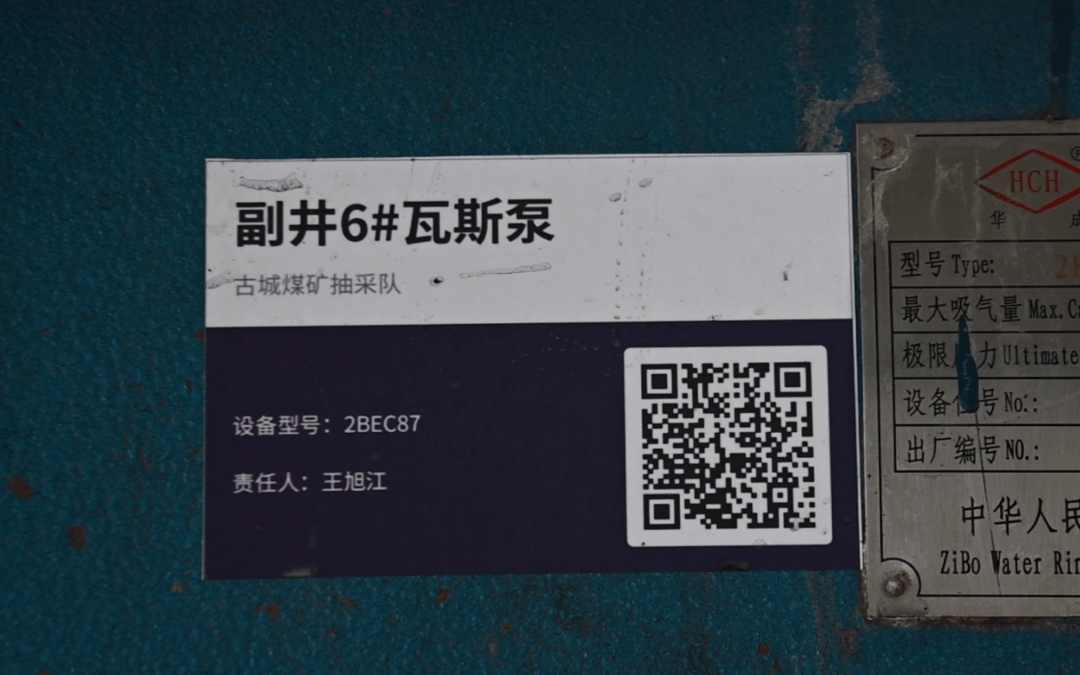
With technological advancements, mine digital and intelligent construction plays an increasingly vital role in the safe and efficient development of coal mines. Posting "QR codes" on equipment for streamlined process display and achieving "one code access" to equipment information is a new initiative in equipment management by the Gucheng Coal Mine's extraction team, epitomizing the mine's efforts to enhance management innovation.
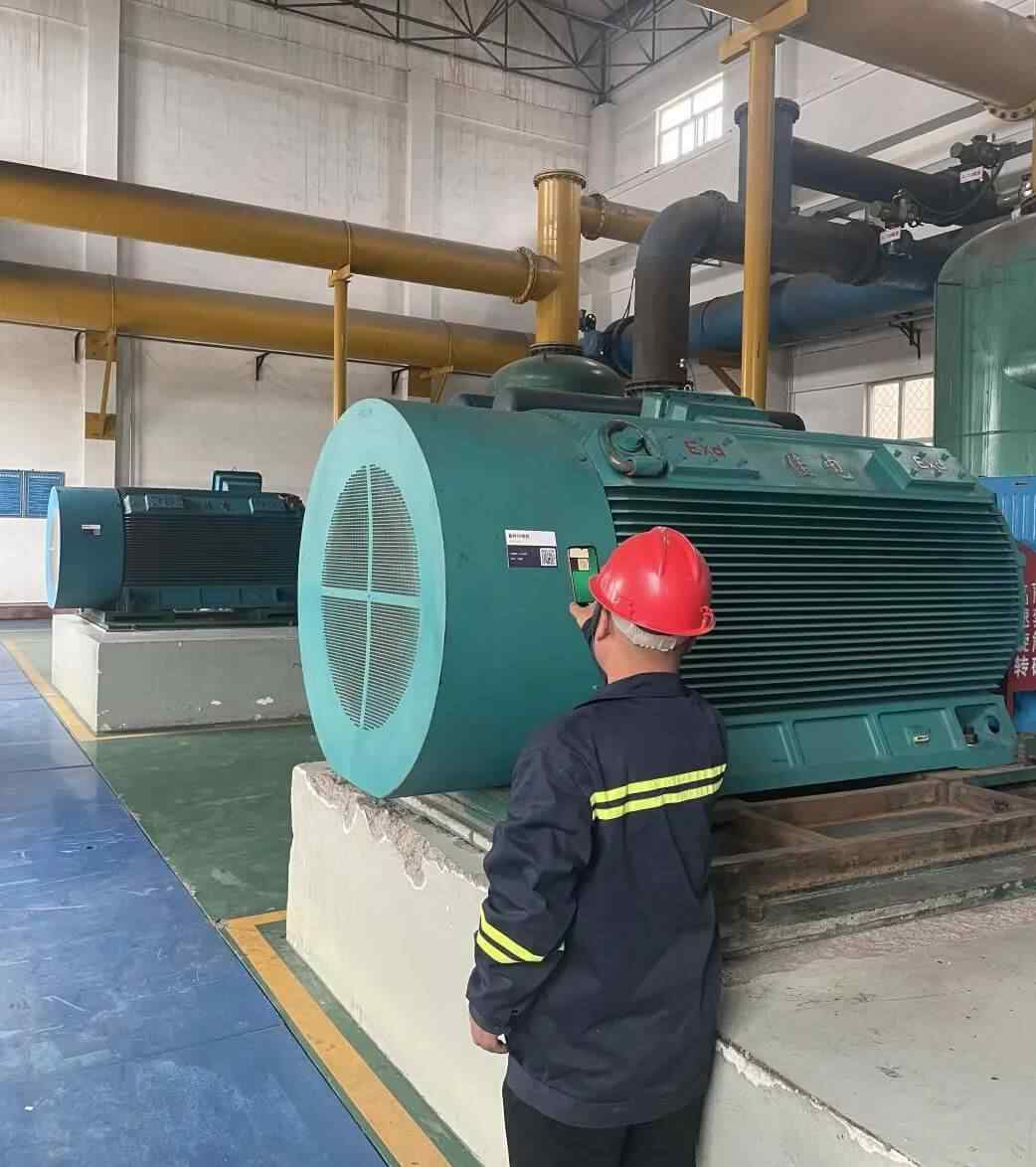
Since the beginning of this year, Gucheng Coal Mine has started strong with practical efforts, setting a new record for monthly raw coal production in the first quarter. With increased output, equipment operates for extended periods, requiring frequent lubrication and maintenance. Different equipment models, power ratings, components, and lubrication materials necessitate significant time and effort from staff in equipment maintenance, record-keeping, and safety inspections.
"Timely inspections and maintenance are crucial for ensuring the safe, stable, and reliable operation of the mine's extraction system. Whether it's inspection, lubrication, or repairs, understanding equipment data and filling out numerous records is essential," said Wang Dan, head of the mine's extraction team. Updating data often required inspectors to consult over ten different record books, increasing workload and sometimes leading to delays due to the time spent searching.
During a team meeting, brainstorming led to the idea of posting "QR codes" on special equipment at the gas pump station. "As a new information carrier and automatic identification technology, using QR codes on special equipment will greatly facilitate our management and maintenance efforts," Wang Dan noted, opening the door to QR code application management.
They then analyzed the data needed for daily pump station equipment maintenance, optimized its organization, and created a QR code data collection template. Inspectors report data according to the template, and technicians use CaoLiao QR Code to generate a unique QR code for each device, which is printed and posted on various large equipment.
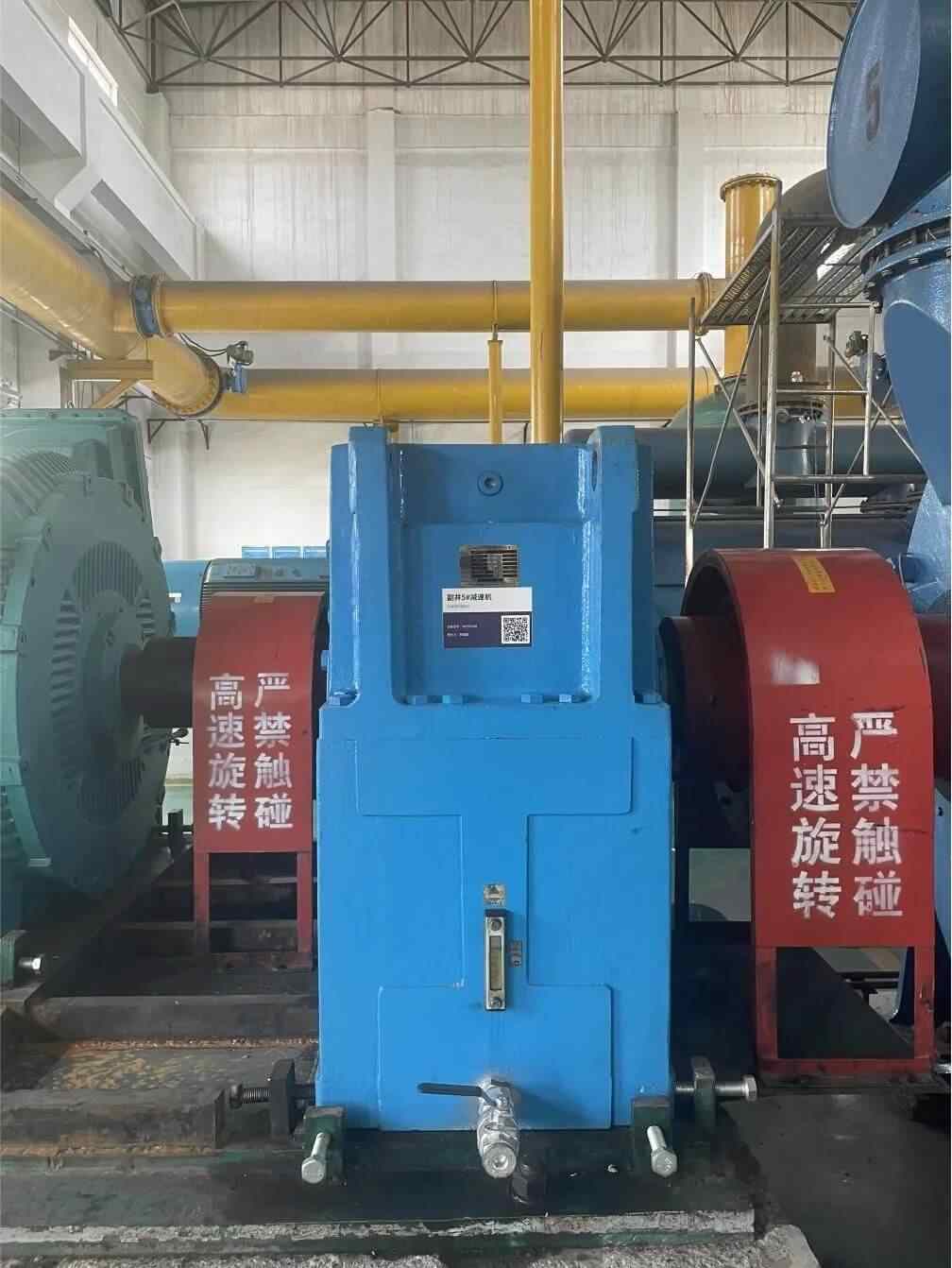
Frontline employees have felt the biggest impact from introducing QR codes into equipment management. Han Lingtong, an employee at the gas pump station, shared, "Equipment maintenance is tedious, and filling out records used to take a long time, being inefficient and error-prone. Now, with the QR code, we just scan it to input records, eliminating the need to flip through various logbooks. It's incredibly convenient!"
"Now we manage equipment with 'one code per item.' This QR code acts like the equipment's 'ID card,' directly linked to the database. Scanning it with a phone displays the equipment's name, parameters, maintenance records, and other relevant data. Compared to reviewing traditional logbooks and technical manuals, QR code queries are clearly faster and more accurate," Wang Dan added.
Moreover, the role of QR codes in gas extraction safety cannot be underestimated. If pump station equipment fails during production and employees lack immediate access to production data, they would need to consult numerous records to compare data, delaying repairs and potentially causing equipment shutdowns and significant losses.
"QR codes offer large storage capacity, strong traceability, and low electronic management costs, reducing troubleshooting time and maximizing equipment safety," Wang Dan stated.
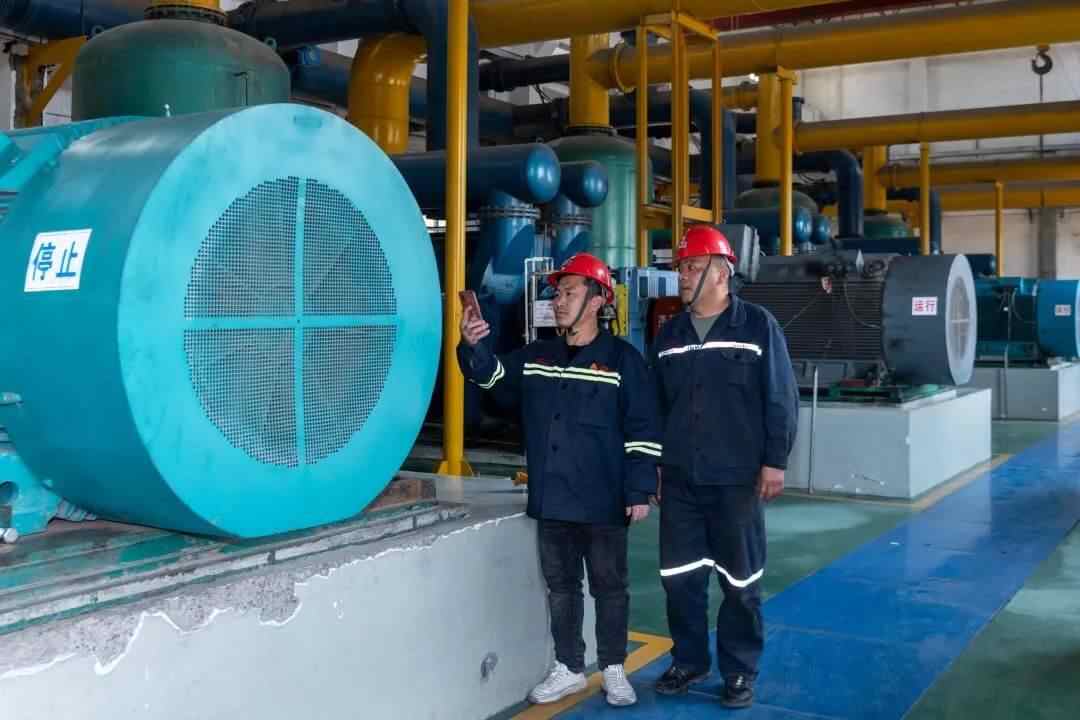
After implementing QR codes in equipment management, the team's dynamic records for each device's inspection, repair, and maintenance are updated promptly and accurately. In case of equipment failure, maintenance personnel can not only trace issues and responsible parties but also compare with other similar equipment to quickly identify and resolve faults, improving repair quality and efficiency.
Additionally, technicians can predict potential issues by analyzing maintenance records in the QR codes, preparing solutions in advance. After maintenance personnel address problems, they add notes on repairs under abnormal conditions, forming a closed-loop management system.
Simultaneously, data is automatically summarized, and inspection status is tracked and controlled online. Each inspection and repair record is synchronized to the backend, allowing managers to view equipment history anytime by scanning the code or logging into the workbench.
Practice has shown that a small QR code saves time and effort, simplifies maintenance processes for large equipment, and enhances both quality and efficiency. Moving forward, the team will refine QR code applications based on practical experience, improve data integration, and expand usage, supporting the transition to informatized and intelligent equipment management.
Original reprinted from WeChat Public Platform: Gucheng Coal Mine《Gucheng Coal Mine: Scan with Your Phone, Access Equipment Information Instantly》