From 0 to 1: My Practical Notes on QR Code Health Education
Original: https://cli.im/article/detail/2272
Recently, our department has been exploring ways to make it easier for patients to access health guidance after discharge, aiming to improve their compliance and satisfaction. Previously, we mainly relied on printed leaflets, verbal explanations, or sending messages in WeChat groups, but these methods had many issues: printed materials are easily lost, patients tend to forget verbal instructions, group messages get buried, and updating information is inconvenient. It wasn't until I saw another hospital's QR code health education wall that I realized digital education could be this simple!
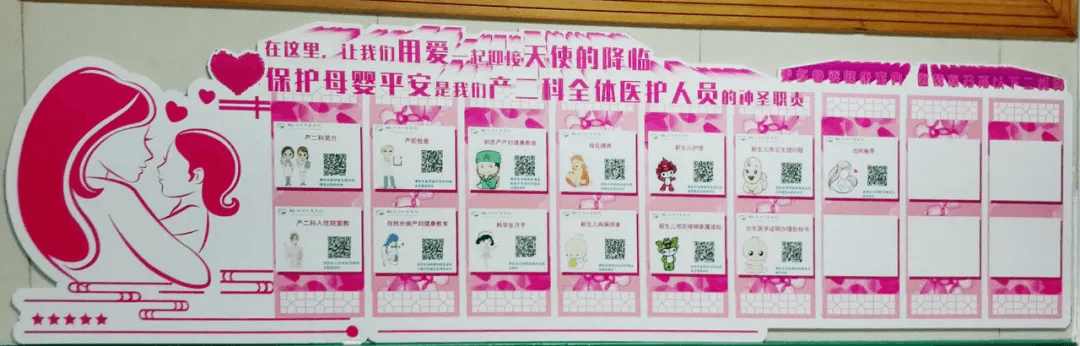
Why I Wanted to Try Using QR Codes
Let me first talk about the pain points in our department.
- Printed materials are easily lost: After discharge, patients often misplace the leaflets.
- Verbal explanations are easily forgotten: With the large amount of information during hospitalization, patients and their families can't remember everything.
- Difficulty updating nursing procedures: Printed materials cannot be updated in real-time.
We urgently needed a flexible and lightweight tool that could quickly generate and update health education materials in a short time, allowing patients to access them anytime, whether in or out of the hospital. So, I started looking into QR code technology.
CaoLiao QR Codes: From Worry to Surprise
Searching online, I found the "CaoLiao QR Code" platform. Initially, I was worried about complicated operations and editing, but trying it out showed my concerns were unnecessary.
- User-friendly editing interface: In the editor, I could simply click, drag, and drop text, images, or audio/video materials, as easily as writing a Word document.
- Ready to use after printing: I could categorize the department's educational content by different themes, generate several QR codes in minutes, print them, and post them directly in patient rooms and nursing stations.
- Real-time updates: I also discovered that if health education files needed updates, corrections, or additions, I could log into the CaoLiao platform, make the changes, and the QR code would instantly show the latest version when scanned. No need for reprinting or redistributing links to patients – incredibly convenient.
In less than three days, I had moved all the educational materials for common diseases in our department into QR codes. When patients are discharged, they just scan the code, save the nursing knowledge instantly, and can even share it with family members with one click.
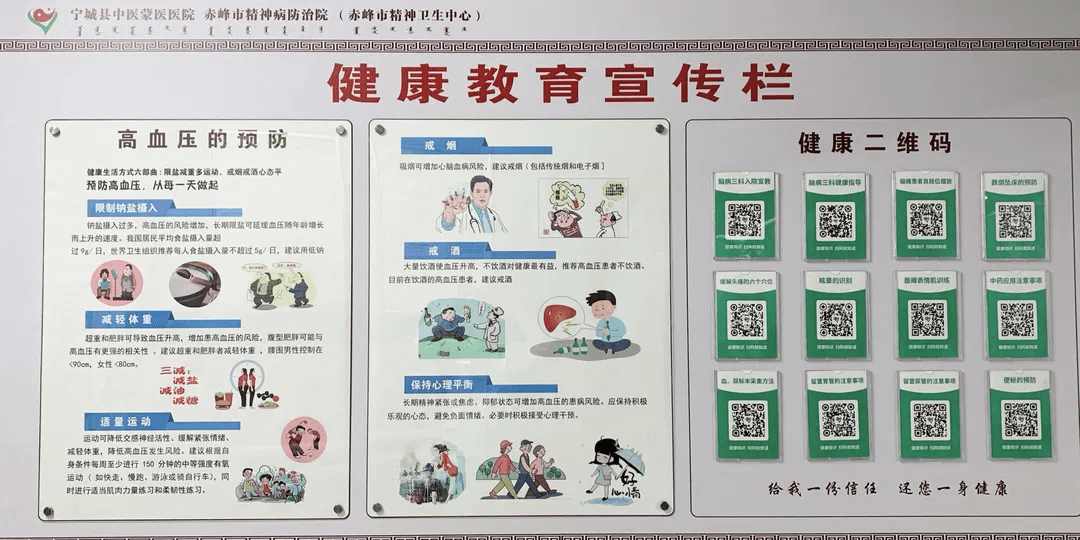
A Considerate Experience: Easy for Us, Reassuring for Patients
After we started piloting QR code education, the results were surprisingly positive. A family member of a patient undergoing physical rehabilitation was particularly excited: "I never knew hospitals could be this 'trendy'! After scanning, there weren't just pictures and text, but even a doctor's video explanation – easy to understand." This made me feel we were on the right track.
- Reduced nursing workload: Nurses used to repeatedly emphasize key care points. Now, they just need to teach patients and families to scan the code once, and they can review the information anytime, saving time and effort.
- Visual teaching: Combining images, text, and videos for visual teaching helps patients understand demonstrations, rehabilitation exercises, and other steps more intuitively, reducing risks from miscommunication.
- Improved compliance: Easy to save and review repeatedly, patient cooperation has significantly improved. During follow-ups, doctors often hear patients say, "I remember things better this time."
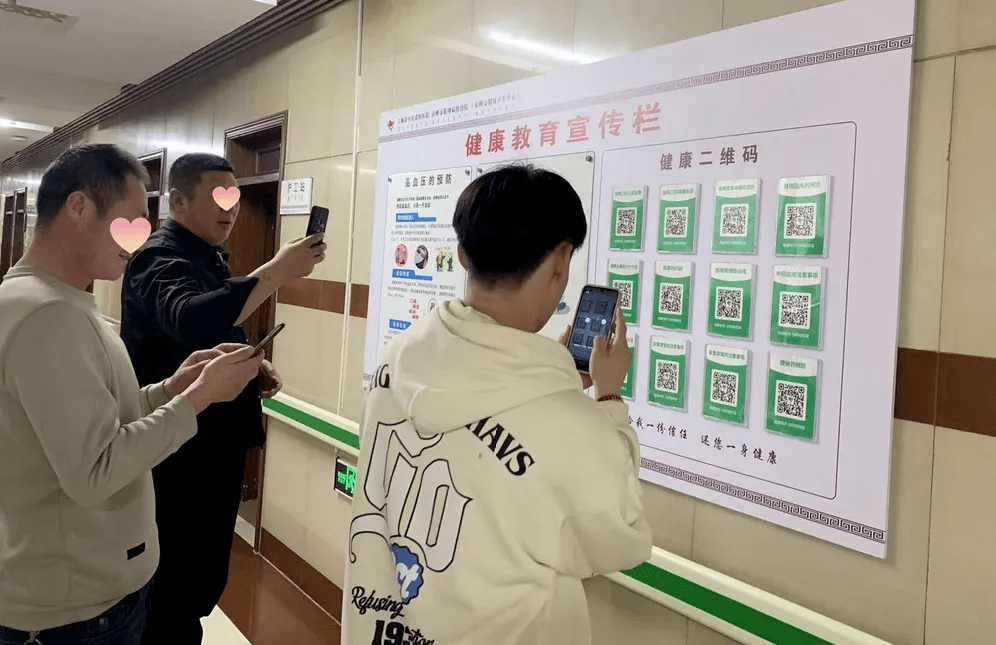
Comparing Traditional Education Methods: Where's the Advantage?
Based on our experience, the advantages of QR codes over traditional methods are very clear.
- Printed leaflets: High printing costs, not eco-friendly, gone if lost, often unavailable when needed.
- WeChat group pushes: Messages get buried, making it hard to find information.
- Verbal education: Limited one-time effect, many patients forget after hearing, and it's difficult to cater to different needs.
QR codes are different. They centralize all educational content in one access point, always available whether used or not. For medical staff, editing is low-threshold and updates are easy, saving time and effort. For patients, information is more visual, easy to save, and they don't have to worry about missing key points.
Some Suggestions and Considerations
If you also want to promote QR code education in your department, here are a few suggestions:
- Prepare educational materials for common diseases in your department in advance. Organize text, images, and videos with a unified style for quick import.
- Provide clear usage guidance for patients and families. Some might be unfamiliar with scanning or phone settings. Demonstrate in the ward area and pay attention to their feedback.
- Perform regular maintenance and updates. If nursing procedures or guidelines change, remember to update the corresponding documents in the QR codes promptly to ensure patients always receive accurate information.
- Integrate with hospital promotion. Promote the QR codes through the hospital's public account or bulletin boards to let more patients know about this new method.
Final Thoughts
After this trial period, I've increasingly felt the charm of digital education. A seemingly simple QR code tool has brought a great sense of satisfaction to patients and made my daily work much easier. Seeing patients and families easily review treatment points and rehabilitation steps on their phones after discharge is truly gratifying. I believe this is what it means to truly bring health knowledge home.
Many colleagues might face similar educational challenges. Why not try the CaoLiao QR Code platform? You might be pleasantly surprised. Let's work together to make medical and nursing services warmer and doctor-patient communication smoother and more efficient in the information age.