How to Choose the Right Product Brochure Creation Tool? A Review of 6 Popular Software Options
Original: https://cli.im/article/detail/2271
In recent years, digital product brochures have become increasingly important for corporate promotion, product display, and information interaction. A variety of tools have emerged on the market, ranging from professional typesetting software to online editing platforms, each with different styles and varying levels of functionality.
Based on personal hands-on experience, here is a brief review of six common tools for creating digital product brochures: Adobe InDesign, CaoLiao QR Code, Chuangketie, Yangbenyun, Yunzhanwang, and Mingbianji. This review will help you choose the tool that better suits your needs.
Which One is More Suitable for You?
- For Professional Printing and Typesetting: Adobe InDesign is the most suitable, but it has a steep learning curve and is expensive, making it ideal for professional users.
- Limited Budget but Requiring Good Results and Simple Operation: CaoLiao QR Code is free to use, supports text, images, audio, and video, includes form features, enables batch generation of one-code-per-item, and facilitates customer interaction and after-sales repair requests.
- High Demand for UI or E-commerce Long Images: Chuangketie makes graphic creation more efficient.
- Need Page-Flipping 3D Effects: Both Yunzhanwang and Mingbianji can meet this need, with different platforms having different focuses.
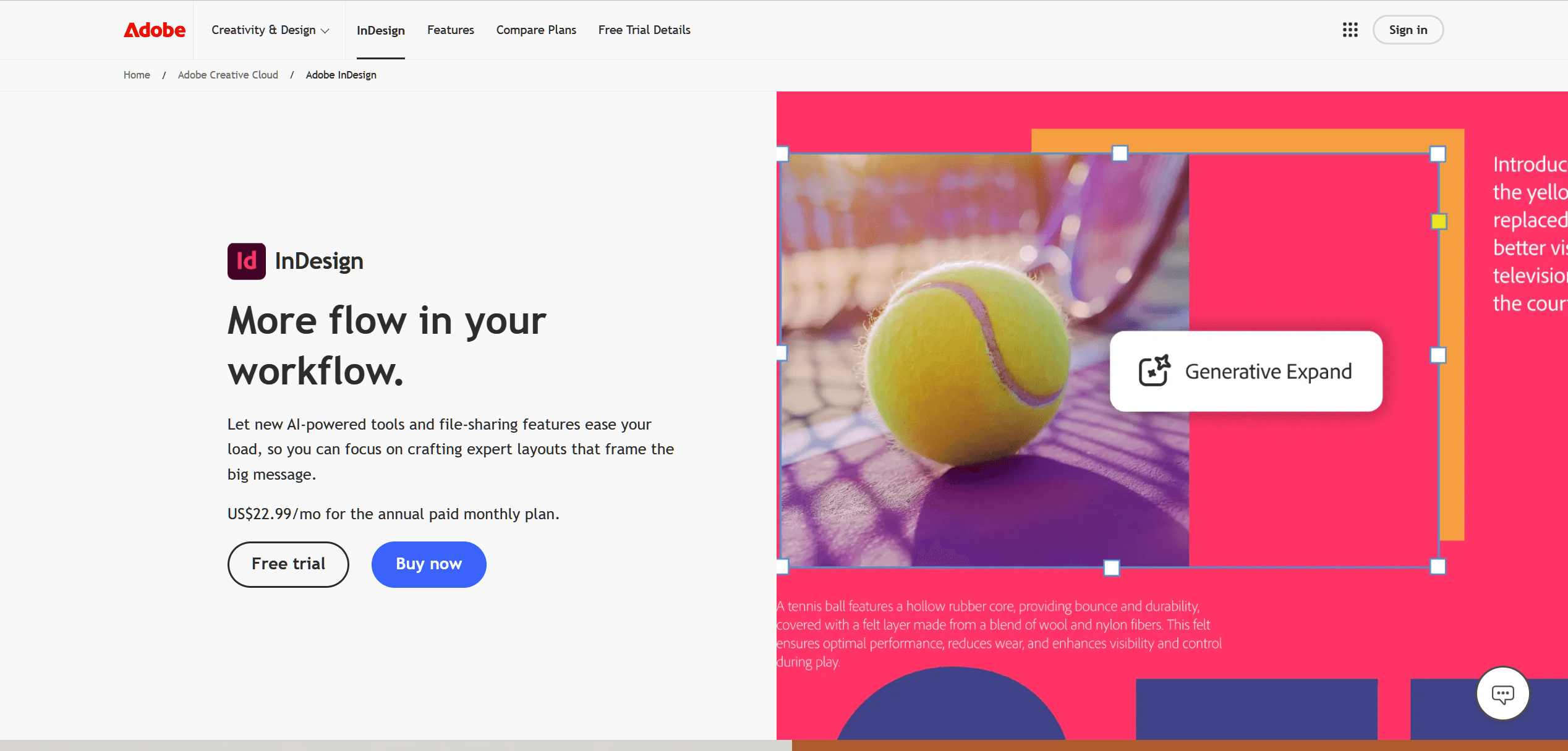
1. Adobe InDesign
A professional-grade desktop publishing software for typesetting, developed by Adobe. It is used to design and produce publications such as magazines, books, posters, and other high-standard print or digital documents.
Advantages:
- Comprehensive typesetting features, supporting complex multi-page document design, tables, headers, footers, etc.
- Seamless integration with Photoshop and Illustrator, facilitating team collaboration.
Disadvantages:
- High learning cost, requires use by professionals such as designers, publishing personnel, and advertising producers.
- Monthly fee ($22.99 USD) is not low.
Applicable Scenarios: Designers, publishing personnel, and advertising teams who focus on precise typesetting and require professional printing or high-end digital documents.
2. CaoLiao QR Code
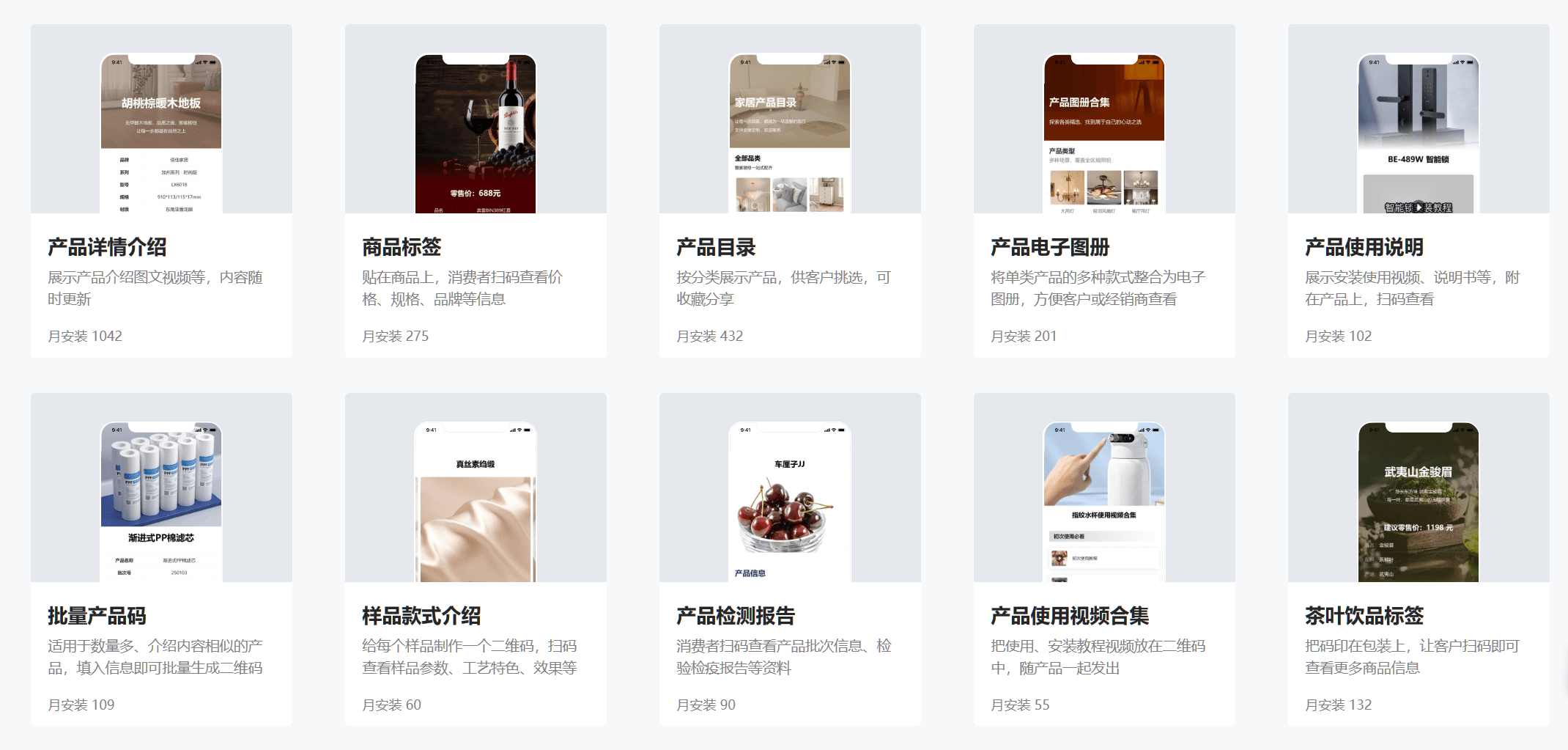
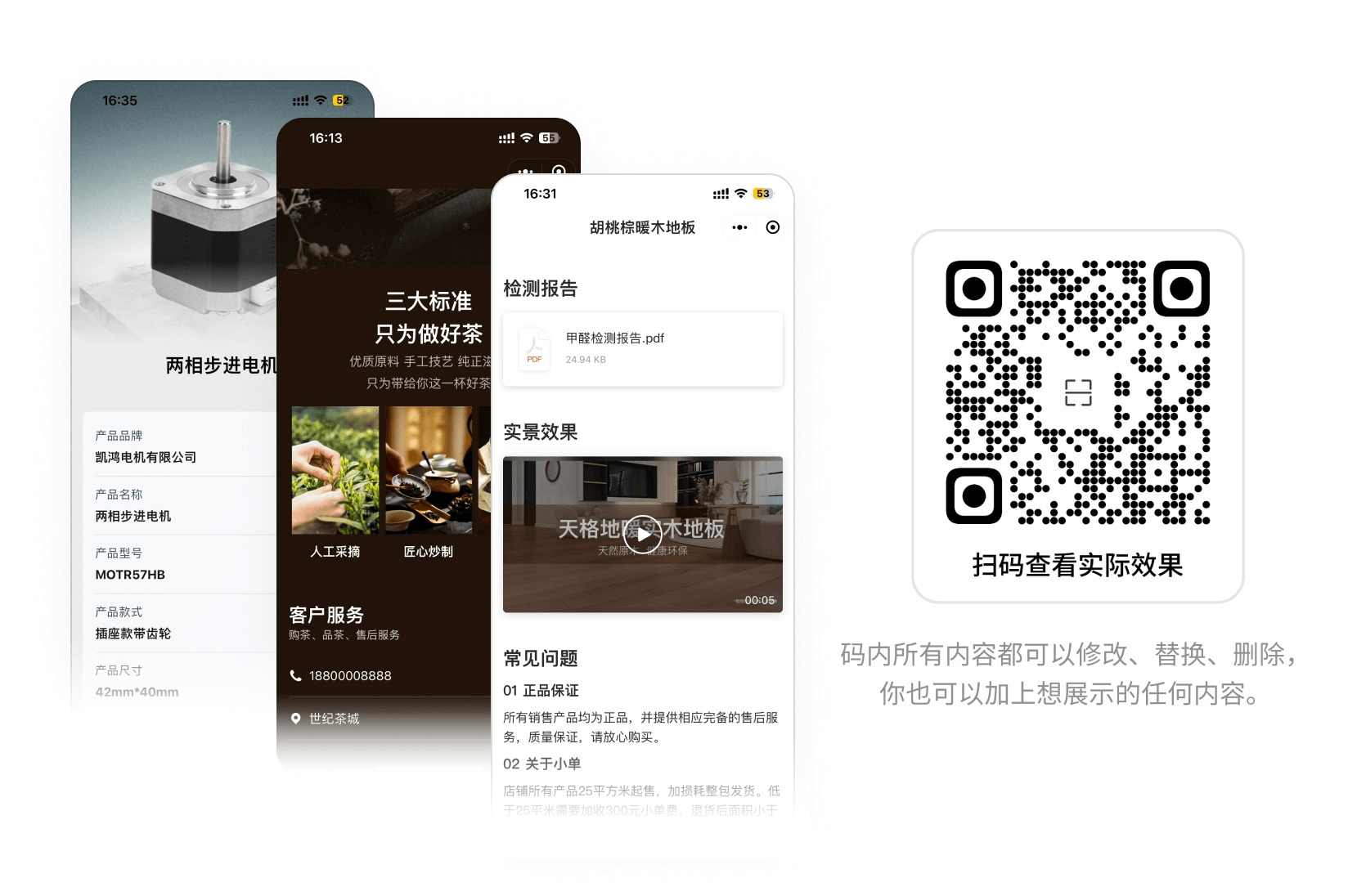
A no-code platform using QR codes as an entry point. It can quickly "package" various materials like product introductions, digital brochures, manuals, and inspection reports into a QR code. It supports multiple formats including text, images, audio, and video, viewable by scanning with WeChat.
Highlight Features:
- Free: Unlimited QR code generation, scan counts, and upload capacity for images and files.
- Lightweight: Beginners can get started easily without needing advanced typesetting skills.
- Multimedia & Interaction: Can present product information with text and images, plus add audio, video, forms, etc., facilitating installation appointments or after-sales communication with customers.
- Bulk Generation: Can create one-code-per-item for a large number of products, convenient for subsequent updates and management.
Disadvantages:
- Does not offer page-flipping animations or complex typesetting functions.
- Focuses more on content display and online interaction, cannot meet high-end printing or precise typesetting needs.
Applicable Scenarios: Enterprises wanting to save time and effort, focusing on interaction and update convenience, without strong requirements for page-flipping or flashy animations. Especially suitable for scenarios wishing to use QR codes on existing brochures or product packaging to expand information, enabling frequent later maintenance and establishing interaction with customers.
3. Chuangketie
An online design tool offering rich templates and design materials, allowing users to easily create product catalogs in an e-commerce detail page style.
Advantages:
- Built-in rich selection of e-commerce poster and long image templates, simple operation.
- Suitable for users without design background, can quickly produce personalized image-based promotions.
Disadvantages:
- Contains watermarks; requires payment (149 RMB/year) for removal.
- Does not support QR code generation; relies heavily on material availability.
Applicable Scenarios: Small and medium-sized businesses needing to quickly produce promotional posters or e-commerce long images in bulk.

4. Yangbenyun
A vector digital brochure creation platform that can convert PDFs into high-quality online content, allowing insertion of multimedia elements like video and animation.
Advantages:
- Supports data statistics, can track distribution channels and content conversion effectiveness.
- Links remain unchanged after content updates, facilitating long-term promotion and dynamic maintenance.
Disadvantages:
- Requires preparing a PDF first; the quality of the original document greatly affects the final presentation.
- Leans towards B2B enterprises; personalized design options are relatively limited.
Applicable Scenarios: Enterprises with mature PDF materials, hoping to enhance promotional effectiveness through online interaction and data analysis.

5. Mingbianji Electronic Magazine Master
Converts PDFs or images into page-flipping digital brochures with one click, supports batch conversion and multimedia addition.
Advantages:
- Rich templates, themes, and dynamic backgrounds; even beginners can create page-flipping effects.
- Batch merging of multiple PDFs into one brochure saves time and effort.
Disadvantages:
- Free version exports have watermarks; advanced features require payment.
- Primarily focuses on page-flipping animations and basic multimedia; deep customization requires more time and cost.
Applicable Scenarios: Individuals or small-to-medium enterprises wanting to create simple page-flipping digital magazines or product manuals without high demands for advanced features.
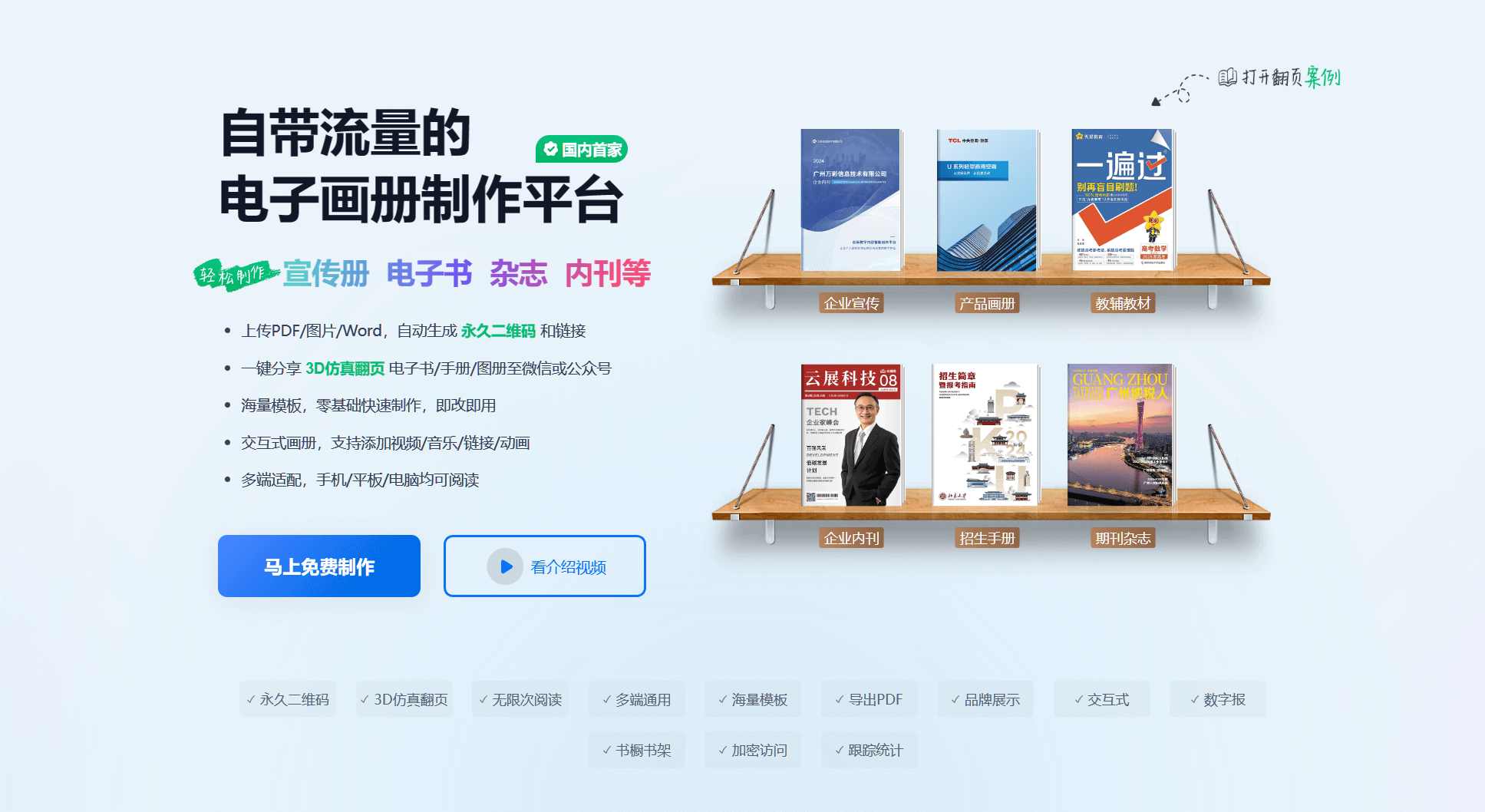
6. Yunzhanwang
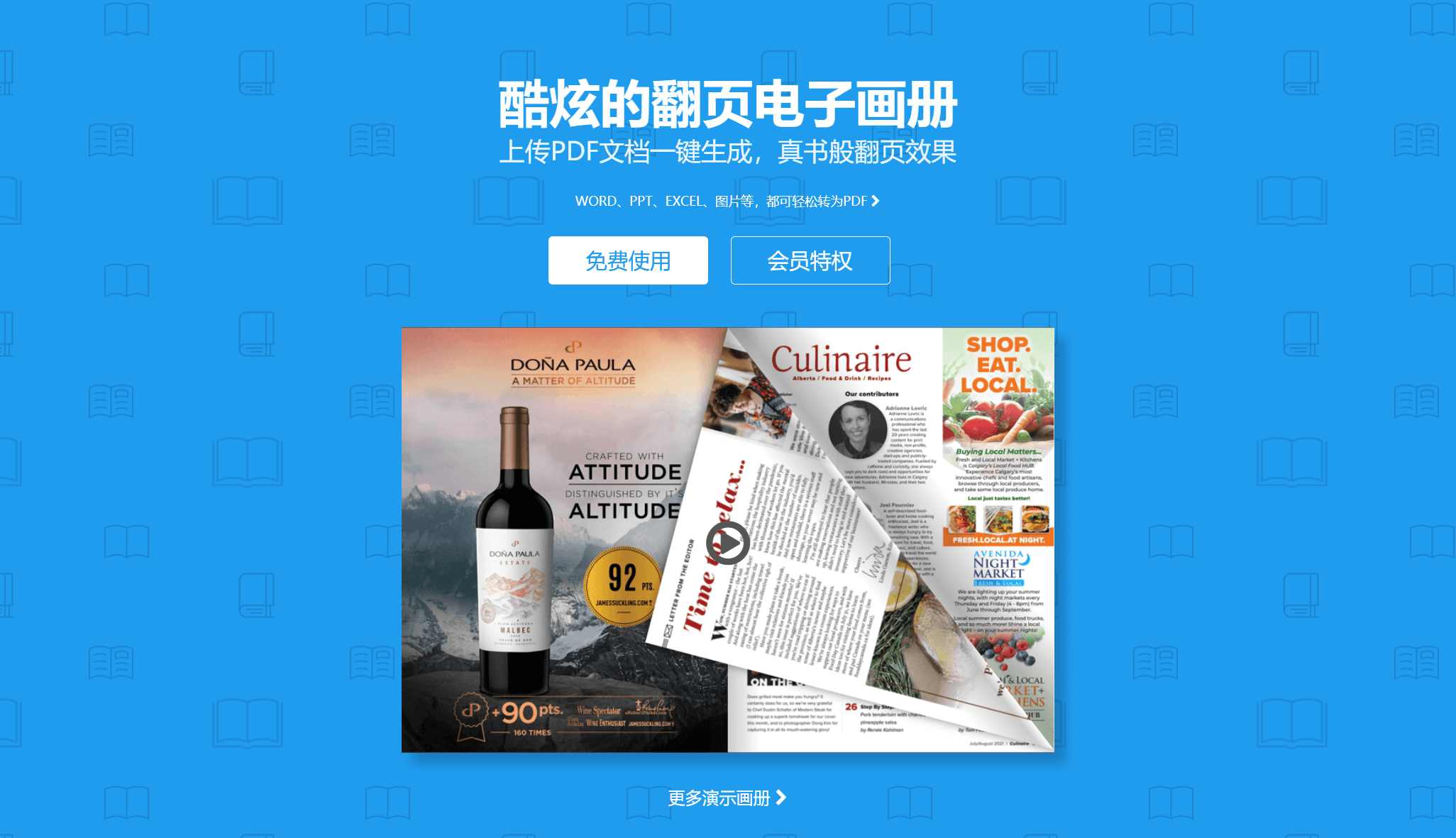
A well-known page-flipping e-book platform that automatically generates 3D page-flipping effects and QR codes, supporting reading data statistics.
Advantages:
- Realistic page-flipping animation, can track reading counts, geographic distribution, and other data.
- Wide range of applications; suitable for creating corporate brochures, periodicals, magazines, etc.
Disadvantages:
- Free version has many limitations, including a daily creation limit. Features like inserting video and URLs require payment; enterprise version starts at 1758 RMB.
- Beginners may find the operation challenging, requiring effort to learn.
Applicable Scenarios: Enterprises or individuals with a strong preference for page-flipping effects, needing to track reading data, and having a relatively sufficient budget.
Summary
These six tools each have their own advantages and target user groups. When choosing, enterprises or individuals can first list their main requirements, budget, technical capability, and other factors, then compare them one by one.
- If you focus on "intuitive product information display + easy content modification + low cost as much as possible," and want to enhance interaction with customers, CaoLiao QR Code is a good lightweight solution.
- If you prefer "page-flipping effects" and "in-depth typesetting," you can consider platforms like InDesign, Yunzhanwang, or Mingbianji.
- For quickly producing e-commerce detail pages or posters, Chuangketie's template library will make the work more efficient.
We hope this comparative review provides reference for your decision-making. We also look forward to competition and upgrades among different software vendors bringing users more practical and user-friendly features and experiences.