Bayi Rubber: Building an Integrated Intelligent Management System for Equipment and Processes Using QR Codes
Based on the CaoLiao QR Code platform, Bayi Rubber's molding workshop independently developed and designed an "Integrated Intelligent Management System for Equipment and Processes." This system uses QR codes as the core entry point, integrating multiple functions such as inspection, repair requests, spare parts management, process control, and archives, achieving integrated management of equipment maintenance and process execution. Tasks that previously required repeated communication and paper-based records can now be tracked throughout the entire process with a simple scan. The system enables early warnings for equipment anomalies, significantly improving maintenance efficiency and product quality stability.
The following content is republished from the WeChat Public Platform account of [Bayi Rubber Co., Ltd.]. The original title and link are: "QR Codes Take the Lead: Scanning a New Chapter in Equipment and Process Management | Molding Workshop"
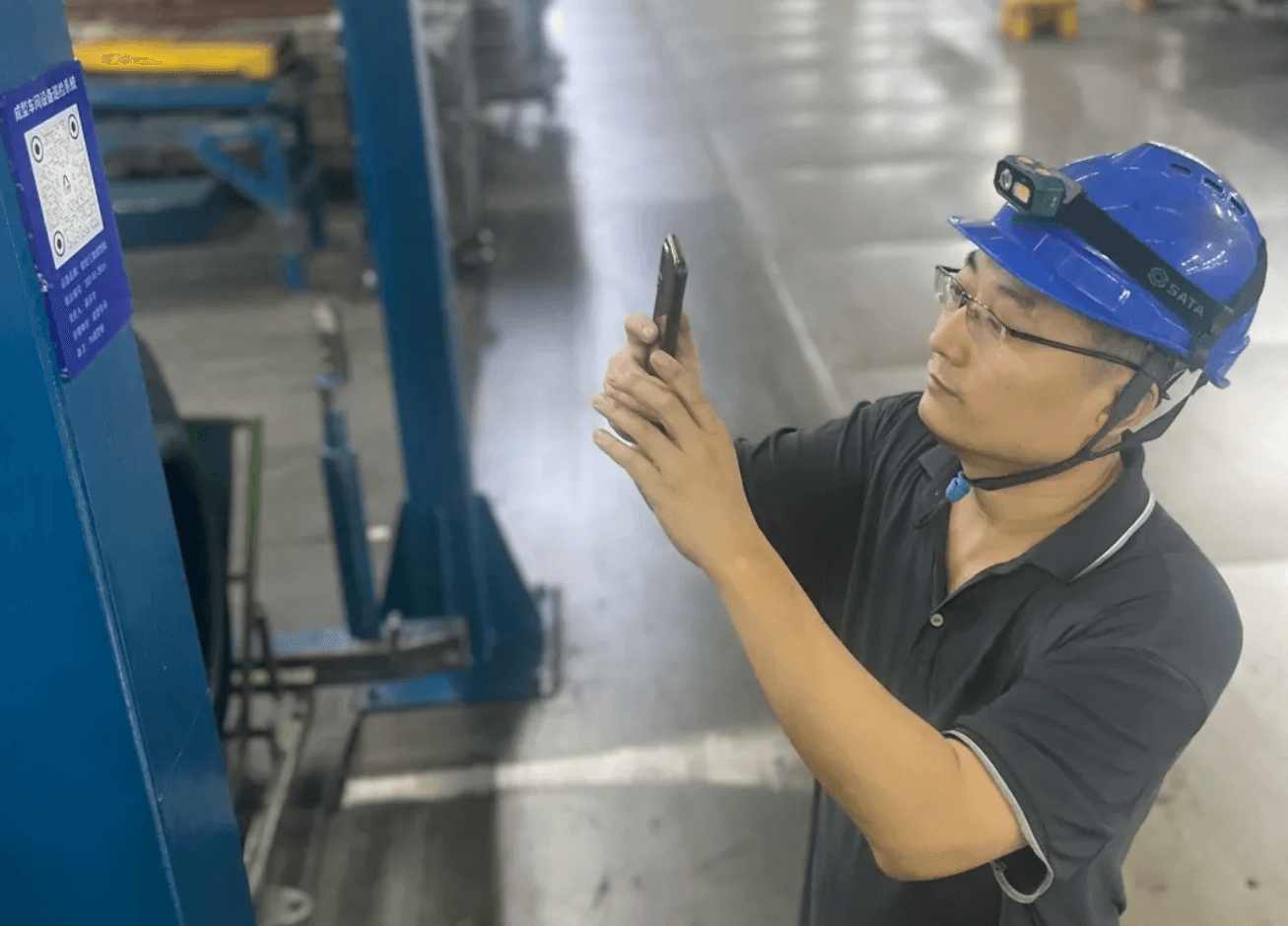
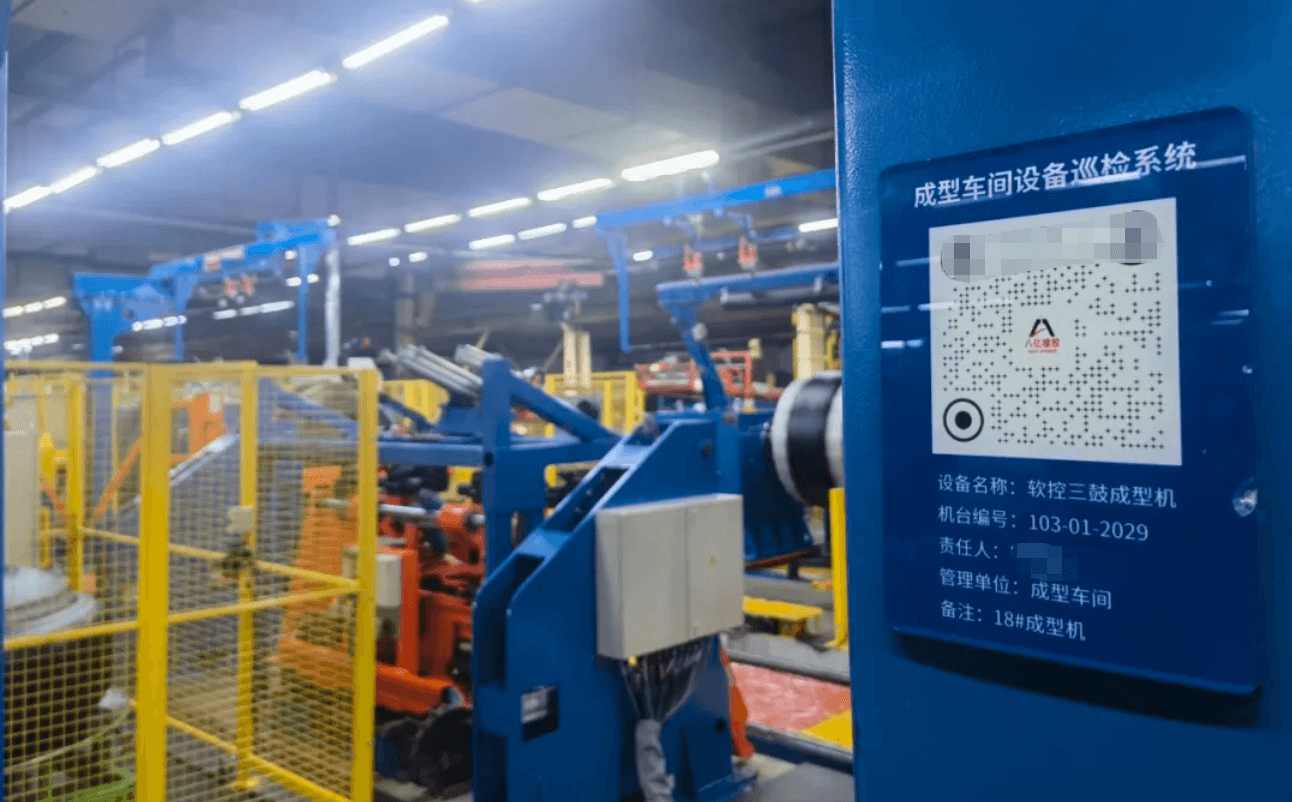
Recently, a visit to the molding workshop revealed QR code labels posted on all molding machines, straight and bias cutters, and rubber extruders. These labels serve as the entry point for the workshop's independently developed "Integrated Intelligent Management System for Equipment and Processes," marking a new stage of digitalization and collaboration in both equipment maintenance and process execution.
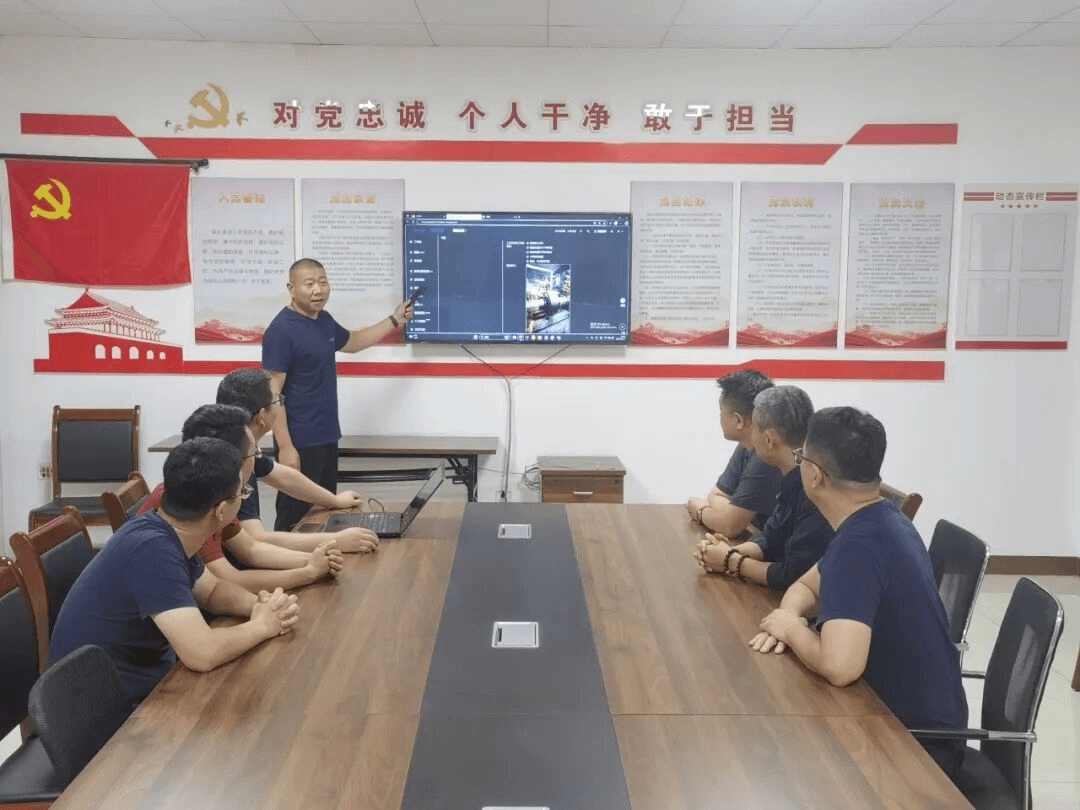
The workshop deeply implements lean and digital management practices. Through multiple team discussions and evaluations, they established a collaborative management system using QR codes as the link, fostering data sharing and shared responsibility. Now, each piece of equipment has its own exclusive QR code "ID card." Employees can easily scan the code to access comprehensive information. Maintenance personnel can view basic equipment information, repair history, and maintenance schedules; process personnel can access process standards, parameter ranges, and product quality requirements. This "multi-purpose code" achieves seamless integration of equipment and process information.
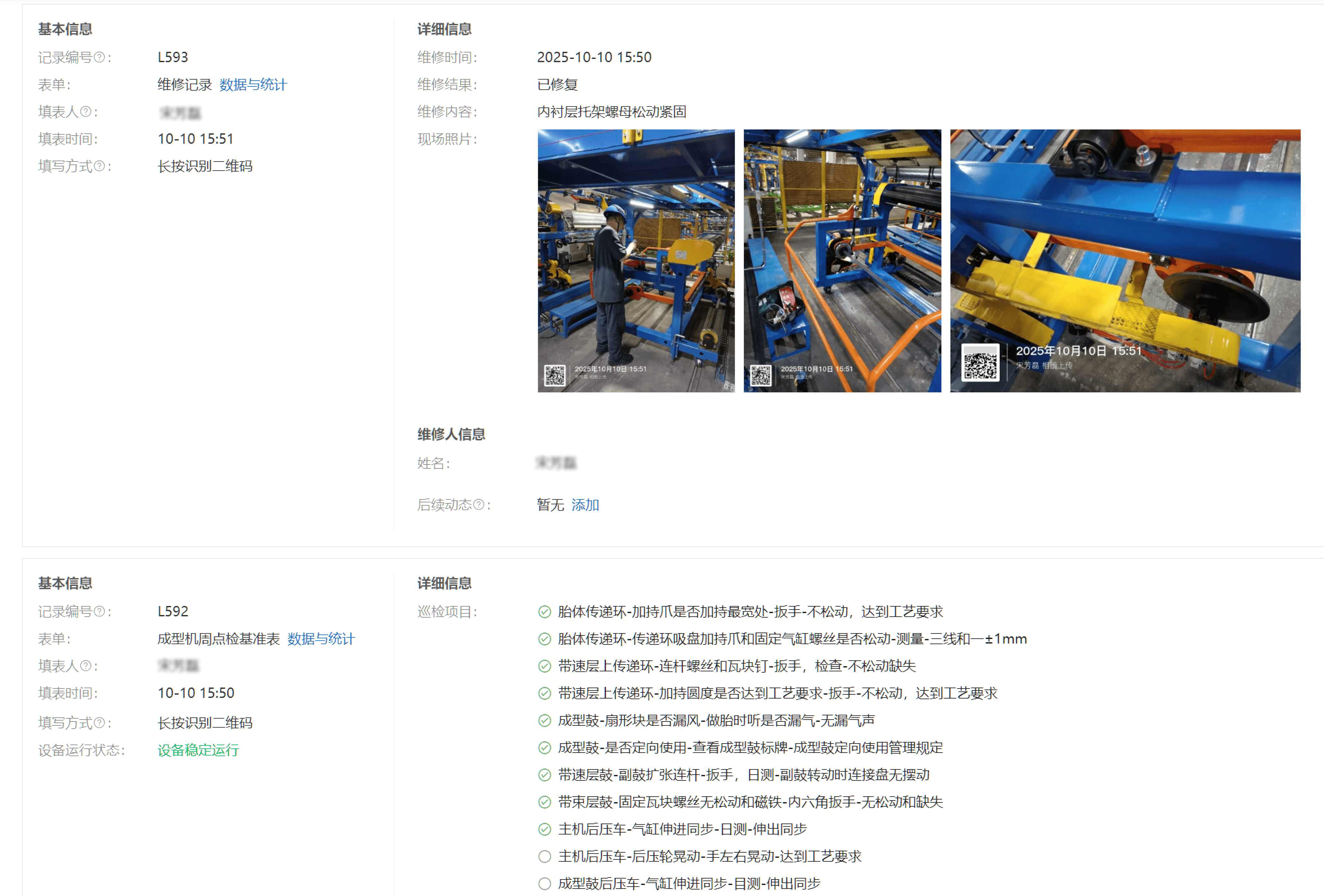
Using QR codes as the entry point, the system integrates core modules such as inspection, repair requests, spare parts, and archives, building a digital closed loop that covers the entire maintenance process. During routine checks, the maintenance side verifies equipment mechanical precision and initiates preemptive repairs for abnormal data; the process side confirms key process parameters to ensure the equipment remains in optimal condition. After maintenance is completed, the system requires detailed records of the handling process. For critical repairs, process personnel are mandated to reconfirm parameters and validate products, forming a "maintenance + process joint acceptance" closed loop.
"Now, when scanning a code to report a repair, you can not only upload the on-site situation, but the system also automatically links the process formula. This provides crucial context for maintenance diagnostics, greatly improving efficiency," said the workshop's Intelligent Equipment Engineer.
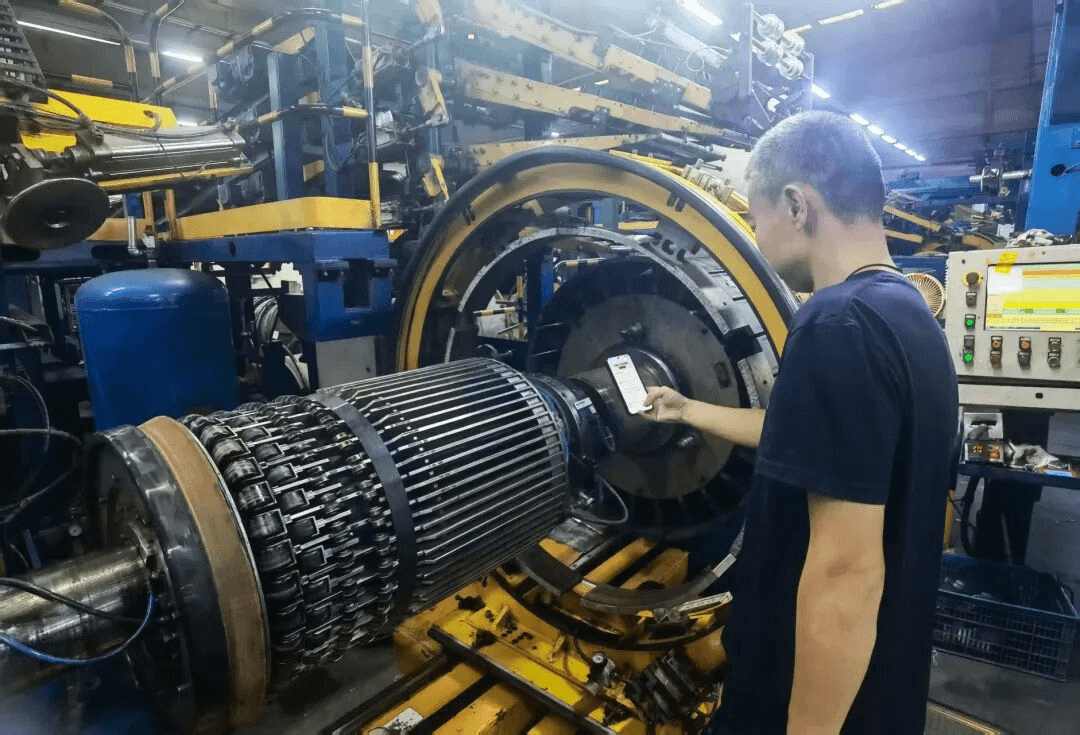
Additionally, the workshop implements full lifecycle management for core components like the building drums. Each building drum has its own exclusive QR code, providing a complete view of all data from installation, usage, maintenance, to servicing. Key precision data recorded after maintenance and servicing are entered into the system, forming a comprehensive "electronic archive." This data provides strong support for intelligent decision-making. The system correlates building drum data with product quality for analysis, accurately assessing the impact of different equipment on quality. This enables precise determination of replacement cycles, optimization of maintenance strategies, and the realization of lean management.
This system achieves a shift from isolated processes to integrated operations. Through the "management cockpit," the workshop can simultaneously monitor equipment efficiency and process qualification rates, achieving true refined management. In the future, the workshop plans to introduce artificial intelligence analysis models, advancing from "preventive maintenance" and "experience-based processes" to a higher stage of "predictive maintenance" and "adaptive process optimization." By reconstructing management models through technology, they aim to achieve leapfrog improvements in efficiency and quality.