How to Comply with Information Disclosure Requirements for River and Sea Outfalls, Explained in One Article
Original: https://cli.im/article/detail/2434
On November 1, 2023, the Ministry of Ecology and Environment officially released and implemented the "HJ1314—2023 Technical Guideline for the Supervision and Management of River and Sea Outfalls: Information Collection and Exchange." As a technical specification for outfall supervision, this guideline defines specific requirements for information collection, management, and data interoperability, marking a new stage of refinement and standardization in China's approach to "information disclosure" and "regulatory closed-loop."
The core of this change is not merely about making signage more prominent but about establishing a complete information chain—from on-site collection to data aggregation, from information display to public oversight. Previously, the focus was on "whether there is a sign," but now the emphasis has shifted to "whether the disclosed content is compliant," "whether the information can be updated promptly," and "whether it supports public supervision via QR code scanning."
For many grassroots environmental protection units and third-party implementation agencies, this not only signifies higher management requirements but also presents new technical challenges.
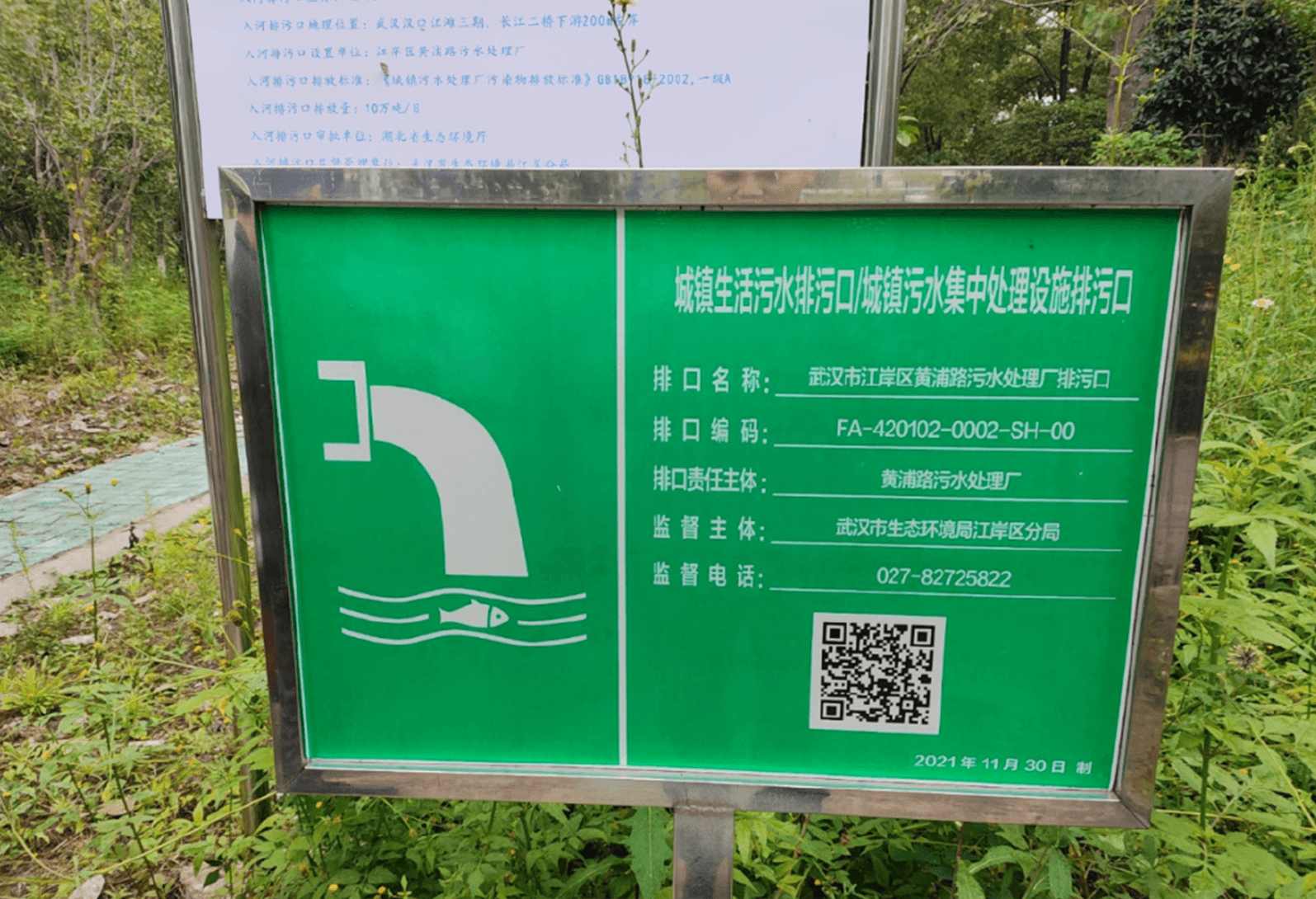
Disclosure Is More Than Just Hanging a Sign
Even before the official release of "HJ1314—2023," information disclosure for outfalls had already established some foundation. Some localities voluntarily set up identification signs displaying basic information such as the outfall name and responsible unit, thus formally fulfilling the "information disclosure" requirement.
However, when re-examining these practices from the perspective of a regulatory system, traditional methods commonly face the following issues:
- Incomplete Content: Most outfalls only display basic location information, lacking key fields such as emission limits, approval numbers, and monitoring data, failing to meet the five major categories of information requirements (basic data, setup approval, investigation and remediation, outfall monitoring, supervision and management) outlined in "HJ1314—2023."
- Difficulty in Updates: Identification signs are mostly printed or painted, making dynamic updates impossible once content changes (e.g., change of discharging entity, adjustment of emission parameters). Entire signs often need replacement, resulting in high maintenance costs.
- Lack of Interaction: Traditional disclosure methods are disconnected from public supervision mechanisms, unable to facilitate online reporting, information feedback, or synchronized data management.
- Fragmented Management: Outfall information is scattered across different paper records or spreadsheets, lacking centralized and unified recording and data archiving, leading to a situation where information is "visible but unmanageable."
Ultimately, the traditional model represents "static disclosure," whereas "HJ1314—2023" promotes the development of a "dynamic supervision, data-interconnected" mechanism. Achieving this transition necessitates the support of digital tools.
Why QR Codes Are a More Suitable Medium for Information Disclosure
Compared to traditional physical identification signs, QR codes inherently possess the natural advantages of being structured, dynamic, and interactive. When QR codes serve as the medium for disclosing information, they enable the following capabilities:
- Structured Display: The page linked by the QR code can include all required fields, ensuring uniform format and clear fields, avoiding compliance risks due to manual omissions.
- Real-time Content Updates: Utilizing "dynamic QR code" technology, the QR code itself remains unchanged, but the content within can be modified at any time. Information changes do not require reprinting signs.
- Support for Public Interaction: The scan page can include entry points for complaints and reports, inspection report files, etc., enhancing information transparency and public participation.
- Unified Backend Management: QR codes can be generated in bulk, supporting permission management and data viewing in the backend, providing a data foundation for subsequent supervision.
Among various QR code tools, CaoLiao QR Code is one frequently adopted solution in outfall disclosure scenarios. The reason lies in its provision of specialized templates that comply with the "HJ1314—2023" specifications, support for bulk QR code generation, unified management of field content, and inherent alignment with the data management logic of government entities.
How to Build an Outfall Disclosure System Using QR Codes
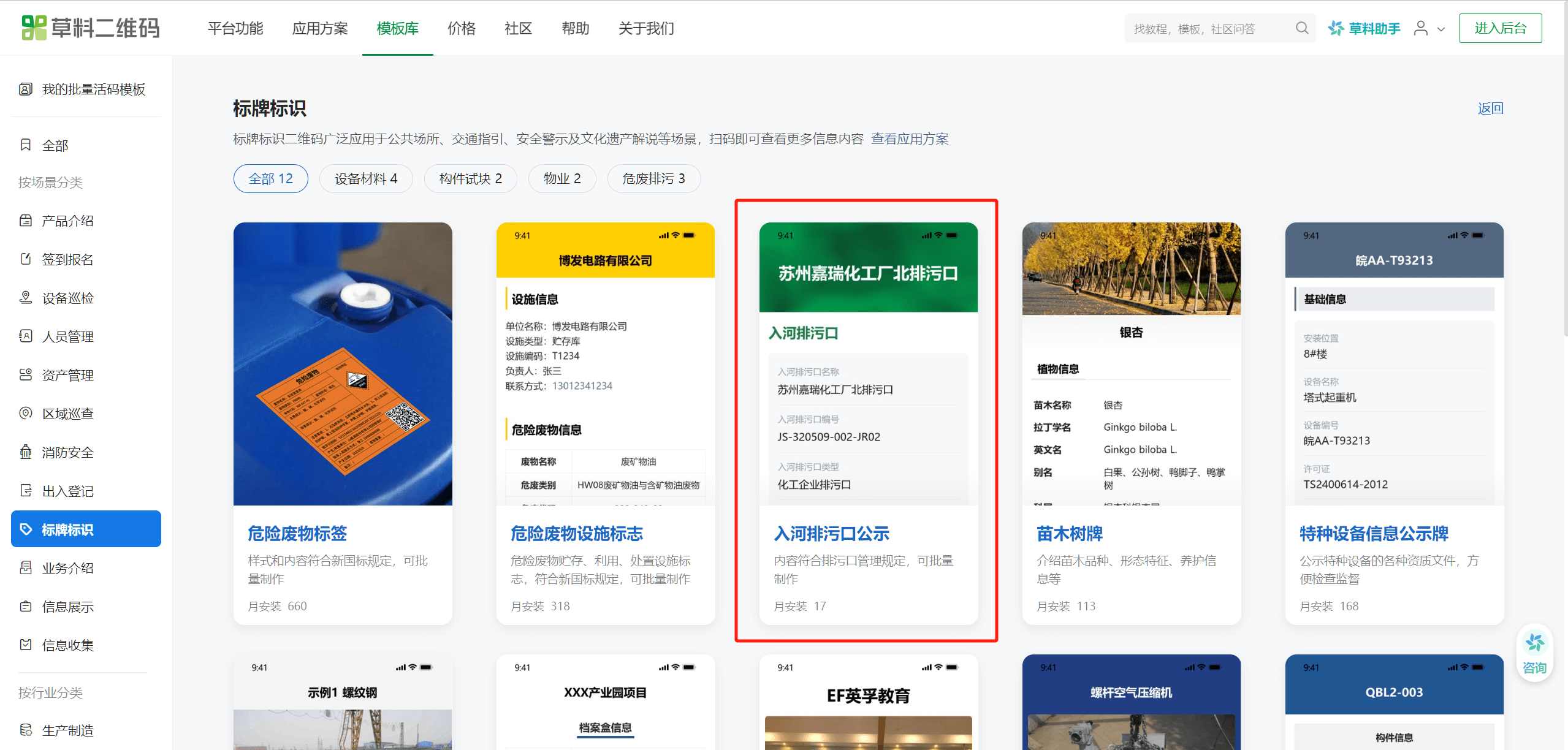
The "River Outfall Disclosure" template provided by CaoLiao QR Code meets the various field requirements stipulated in "HJ1314—2023" and features user-friendly operation and suitability for batch use, making it applicable for government regulatory bodies, discharging enterprises, technical service companies, and other implementing entities. Below is the practical operational process:
1. Prepare Outfall Record Information
Before use, prepare the information for each outfall according to the specifications, organized in an Excel spreadsheet for subsequent bulk import.
This includes, but is not limited to:
- Basic Information: Outfall name, number, latitude and longitude, category.
- Setup Approval: Establishment date, approving authority, approval document number.
- Emission Information: Wastewater treatment unit, emission limits, compliance status.
- Investigation and Remediation: Historical remediation records, rectification deadlines.
- Supervision and Management: Responsible unit, contact person, reporting hotline, etc.
2. Generate River and Sea Outfall Disclosure QR Codes
Access the CaoLiao QR Code official website on a computer, enter the template center, and select the "River Outfall Disclosure" template. This template comes pre-built with corresponding fields that comply with the "HJ1314—2023" specifications.
Import the Excel file containing the outfall record information. The system will generate an independent QR code for each record in the Excel sheet. After code generation, QR code labels can be downloaded with one click for on-site posting and disclosure.
3. Produce and Install QR Code Disclosure Signs
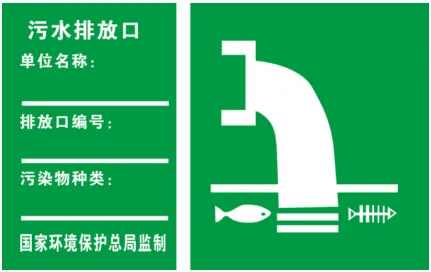
According to specifications such as the "Notice on Issuing the Technical Specifications for Emission Port Signage" and the "Technical Requirements for Standardized Remediation of Outfalls (Trial)," set the dimensions, material, color, auxiliary marking content, font type, etc., for the sign. Simultaneously, print the corresponding QR code for the outfall on the sign, ensuring accurate information, clear printing, and standardized installation.
4. Subsequent Management
The content linked to the QR codes supports updates at any time without affecting the use of already posted QR codes. The backend supports scan statistics, bulk content modification, and the ability to export all QR code content at any time to form a fixed outfall record.
In cases such as adjustments to water quality targets or updates to the responsible unit, authorized management personnel can modify the content directly via mobile phone by scanning the QR code with WeChat, enabling synchronous updates.