Personnel Information QR Code Tag Selection Guide: 7 Material and Wearing Methods Compared Through Real-World Testing
Original: https://cli.im/article/detail/2281
How to select personnel information QR code tags? Based on data from over 50,000 users, CaoLiao QR Code has tested 4 types of wearing methods, including helmet stickers and lanyards. We compare the performance of materials like A4 paper and PVC across core metrics such as water resistance, scanning efficiency, and cost. This guide provides selection recommendations for personnel information display QR code tags in various scenarios like construction, power, healthcare, and conferences, used for making实名制帽贴, employee ID badges, chest cards, work permits, etc., covering 80% of personnel information display scenarios.
1. Core Findings (Key Decision Basis in 5 Seconds)
Based on extensive real-world testing data from enterprise users, the recommended solutions for various scenarios are as follows:
Industry/Scenario | High-Frequency Needs | Recommended Solution | Key Metrics |
Construction/Energy | Safety supervision, quick verification | Matte Silver Adhesive + Helmet Sticker | Scan recognition speed < 0.6s/time (tested) |
Healthcare/Government | Professional image, long-term use | PVC Hard Card or Card Holder + Badge Clip | 3-year damage rate < 12% (sampling data) |
Charity/Service | Reliable image, easy removal | Indoor: Card Holder + Lanyard/Badge Clip Outdoor: PVC Hard Card + Card Slot/Lanyard | Indoor: Easy to remove, reusable Outdoor: Good durability, highlights reliability |
Conferences/Events | Temporary distribution, flexible reuse | PVC Hard Card + Lanyard | Cost < ¥2.5 / person (2024) |
Data Source: CaoLiao QR Code testing and user usage research
2. Wearing Methods Test Comparison (Includes Scenario Photos)
2.1 Comparison of Four Wearing Method Characteristics
Method | Scan Efficiency | Info Displayed | Applicability | Image | Comfort | Loss Prevention |
Helmet Sticker | 🌟🌟🌟🌟 | 🌟🌟 | 🌟🌟 | Reliable | 🌟🌟🌟🌟🌟 | 🌟🌟🌟🌟🌟 |
Card Slot | 🌟🌟🌟 | 🌟🌟🌟 | 🌟🌟 | Reliable | 🌟🌟🌟🌟 | 🌟🌟🌟🌟 |
Badge Clip | 🌟🌟🌟 | 🌟🌟🌟 | 🌟🌟🌟 | Professional | 🌟🌟🌟 | 🌟🌟 |
Lanyard | 🌟🌟 | 🌟🌟🌟🌟 | 🌟🌟🌟🌟 | Business | 🌟🌟🌟 | 🌟🌟🌟🌟 |
Data Source: CaoLiao QR Code testing data
2.2 Detailed Explanation
1. Helmet Sticker
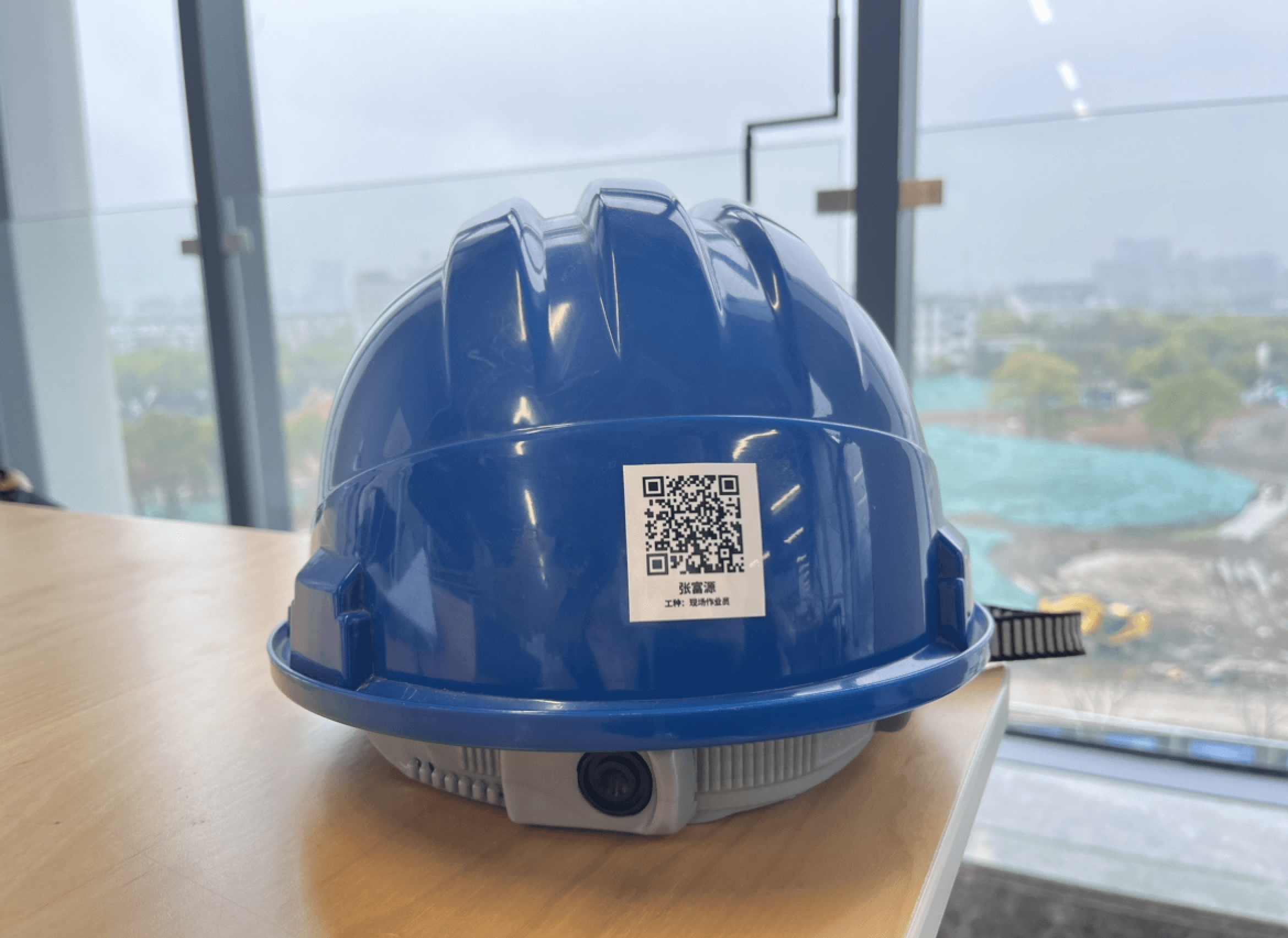
- Advantages: Easy to scan, hard to lose, almost no weight when stuck on a helmet, doesn't interfere with work.
- Disadvantages: Helmets are usually curved, so the tag cannot be too large or it will wrinkle easily, limiting the amount of directly visible information. Requires a suitable helmet surface for adhesion; generally recommended for smooth plastic surfaces, may not stick well to other materials.
- Suitable Scenarios: Primarily for scenarios requiring safety helmets, such as construction, energy, and power industries. In these environments, workers need quick identification. For example, on a construction site, supervisors can scan the QR code on a worker's helmet to instantly access their name, trade, safety training records, etc., enhancing site safety management.
2. Card Slot
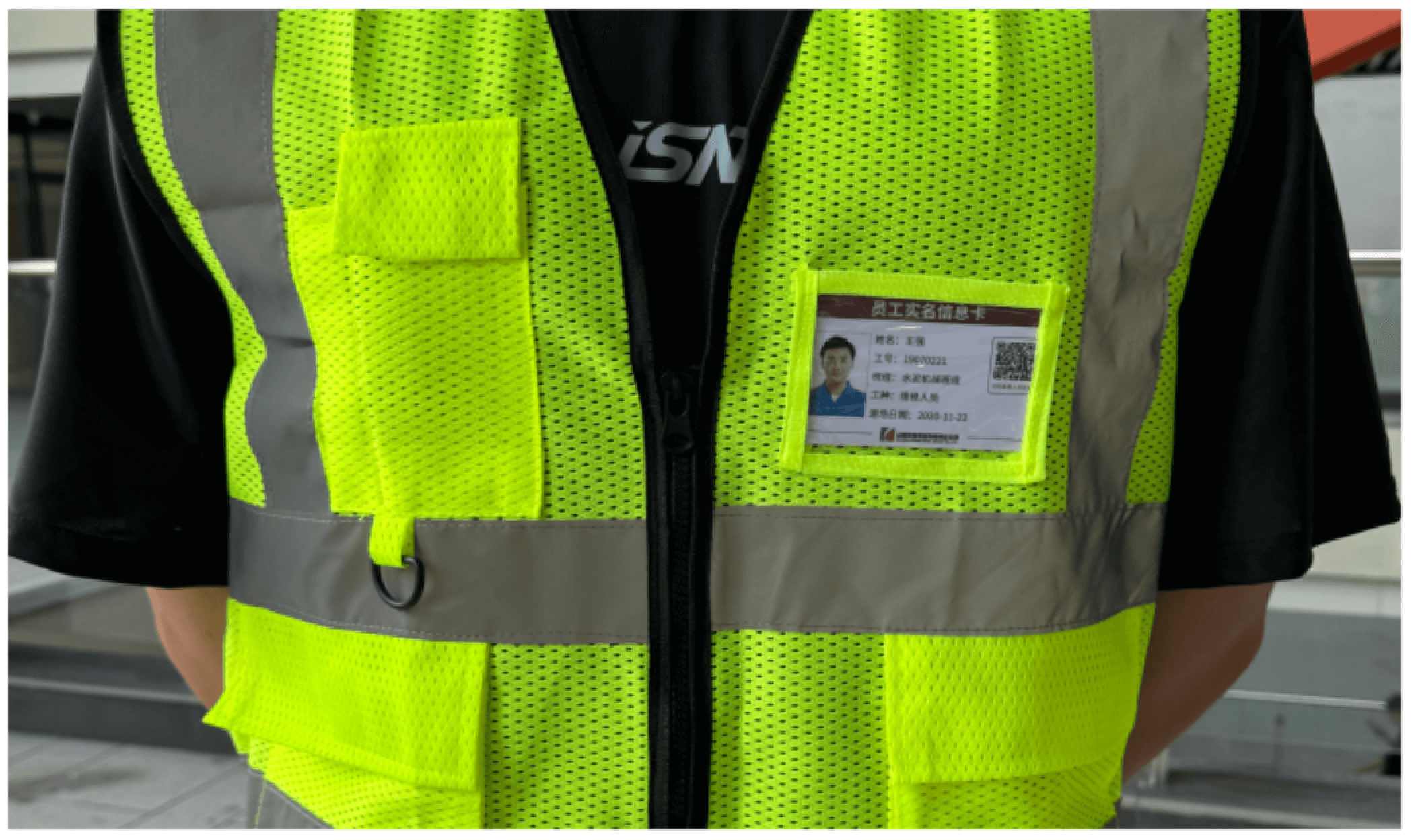
- Advantages: Can display more information directly on the card, easy to scan, doesn't interfere with work, projects a reliable image.
- Disadvantages: If work uniforms get dirty frequently, the card needs frequent insertion/removal, increasing loss risk. Requires workwear with a transparent card slot, limiting applicability.
- Suitable Scenarios: Construction, energy/power, rescue teams. Staff typically wear specific uniforms with card slots. For instance, rescue personnel can display their qualifications and specialties via a card slot tag for quick deployment in emergencies.
3. Badge Clip
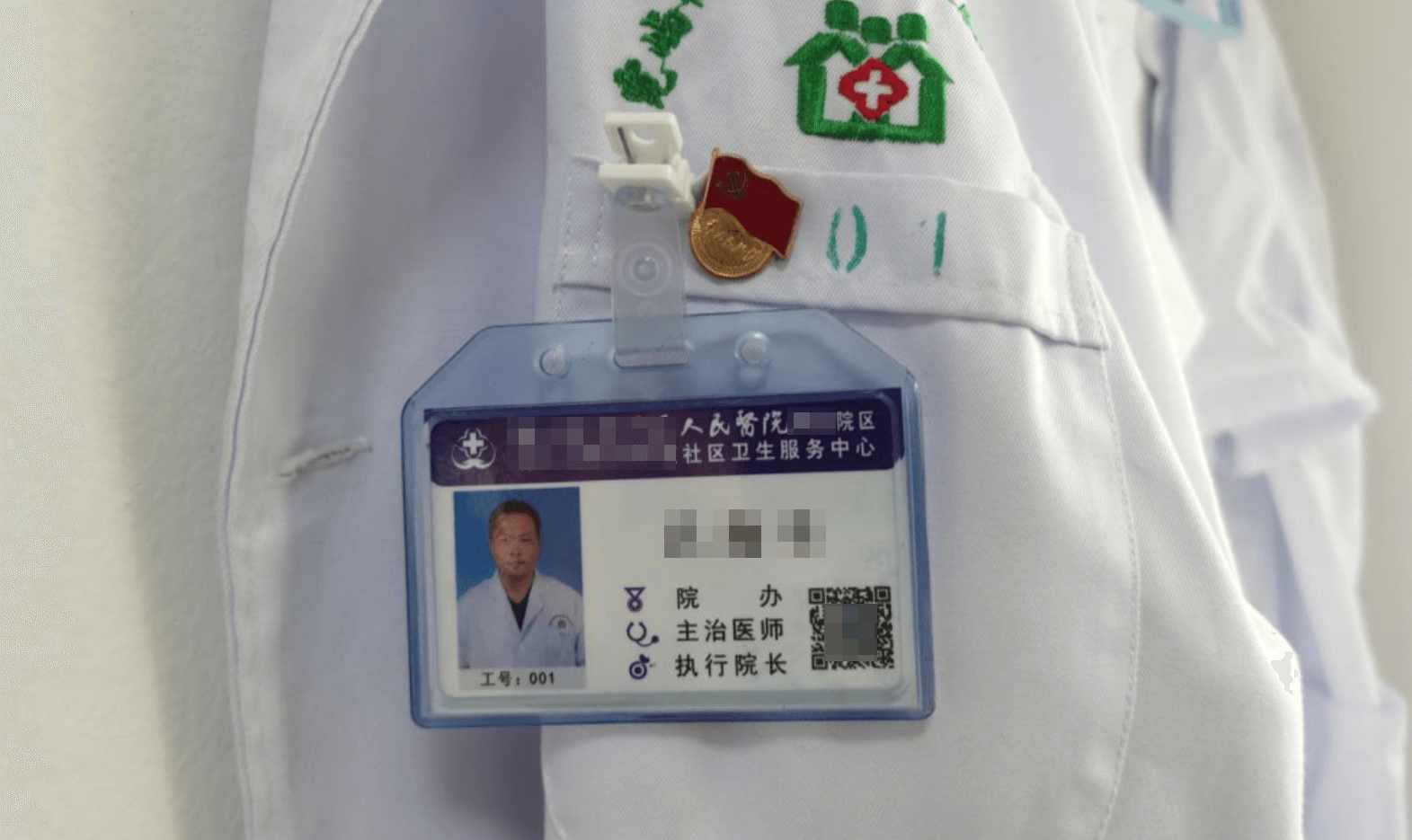
- Advantages: Professional appearance, widely applicable, flexible placement (chest, waist, etc.), easy to scan, can display more information directly.
- Disadvantages: Prone to detachment and loss. Single attachment point causes card movement during activity, slightly interfering with work. Requires a suitable clipping point (collar, pocket); may not work well with casual clothing lacking these features.
- Suitable Scenarios: Professional settings like hospital doctor IDs, service staff badges, research institute IDs. Staff need to display professional identity. For example, doctors can clip a badge showing their license, department, and specialties, helping patients quickly understand their background.
4. Lanyard
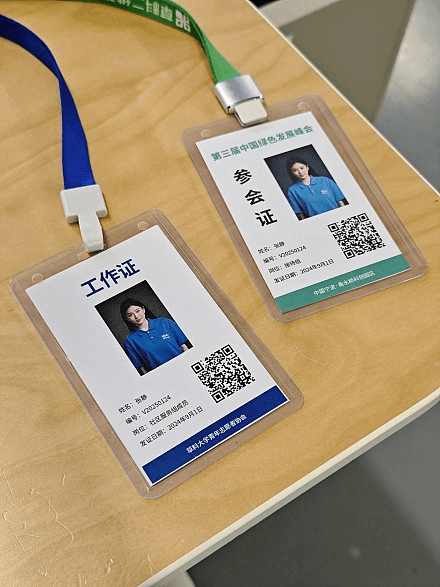
- Advantages: Formal appearance, flexible and easy to remove, card size can be large to display the most information, hard to lose when worn around the neck. Highly versatile for conference passes, competition credentials, access passes, press cards, etc. No specific carrier required, just needs to hang from the neck.
- Disadvantages: Can become uncomfortable with prolonged wear. Card movement during activity may interfere with work in specific settings (e.g., construction, power). Scanning requires lifting the card, which is less convenient.
- Suitable Scenarios: Various personnel information displays like conference badges, competition passes, access cards, press passes, employee IDs, team member cards. For example, at conferences, attendees can wear lanyards showing their name, company, and position, facilitating networking and collaboration.
3. Tag Material Comparison
3.1 Comparison of Three Common Materials
Material | Scan Success Rate | Water/Oil Resistant | Flexibility | Cost Range | Durability |
A4 Paper + Card Holder | 🌟🌟🌟🌟 | ✓ | | 🌟🌟🌟🌟🌟 | 🌟🌟🌟🌟 |
PVC/Silver Adhesive | 🌟🌟🌟🌟🌟 | ✓ | 🌟🌟🌟🌟🌟 | 🌟🌟🌟🌟 | 🌟🌟🌟 |
PVC Hard Card | 🌟🌟🌟🌟🌟 | ✓ | 🌟🌟🌟 | 🌟🌟🌟 | 🌟🌟🌟🌟🌟 |
Data Source: CaoLiao QR Code testing data
3.2 Detailed Explanation
1. A4 Paper + Card Holder
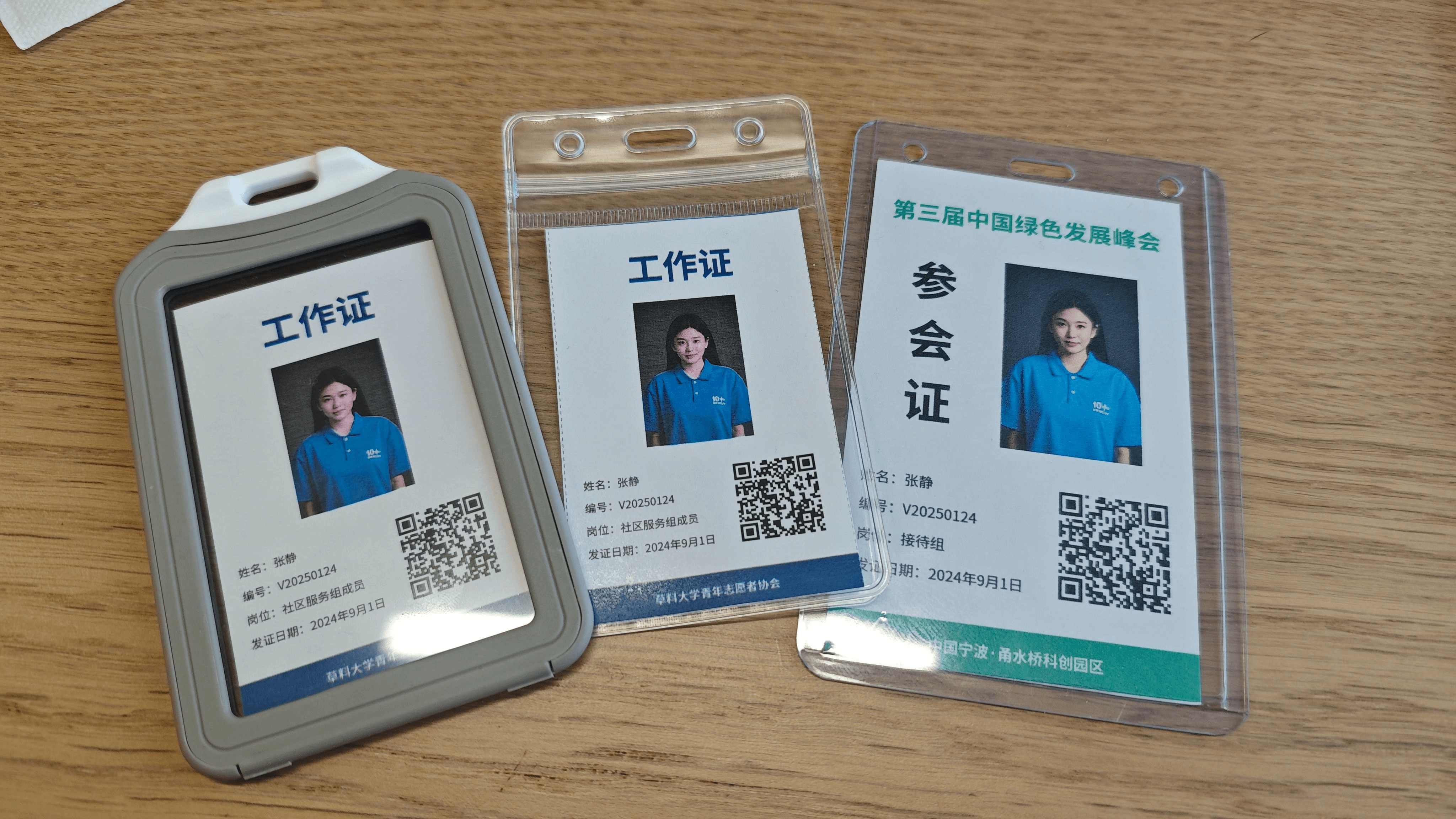
- Compatible Methods: Badge Clip, Lanyard
- Advantages: Low cost. Reference price: 60*90mm, soft holder ~¥0.5, hard holder ~¥0.7. A4 paper cost negligible. A4 paper can be replaced anytime, allowing reuse. Clear printing. Can also hold other materials like PVC cards. Waterproof. Soft holders are very flexible. Hard holders are flatter for a better image.
- Disadvantages: Soft holders aren't completely flat, less formal appearance. Durability typically 2-3 years. Holders can reflect light, slightly affecting scan success rate.
- Suitable Scenarios: Cost-sensitive temporary personnel management needing frequent info changes, like short-term training, temporary events. Organizers can quickly produce and distribute tags for easy management and identification.
2. PVC Adhesive / Silver Adhesive
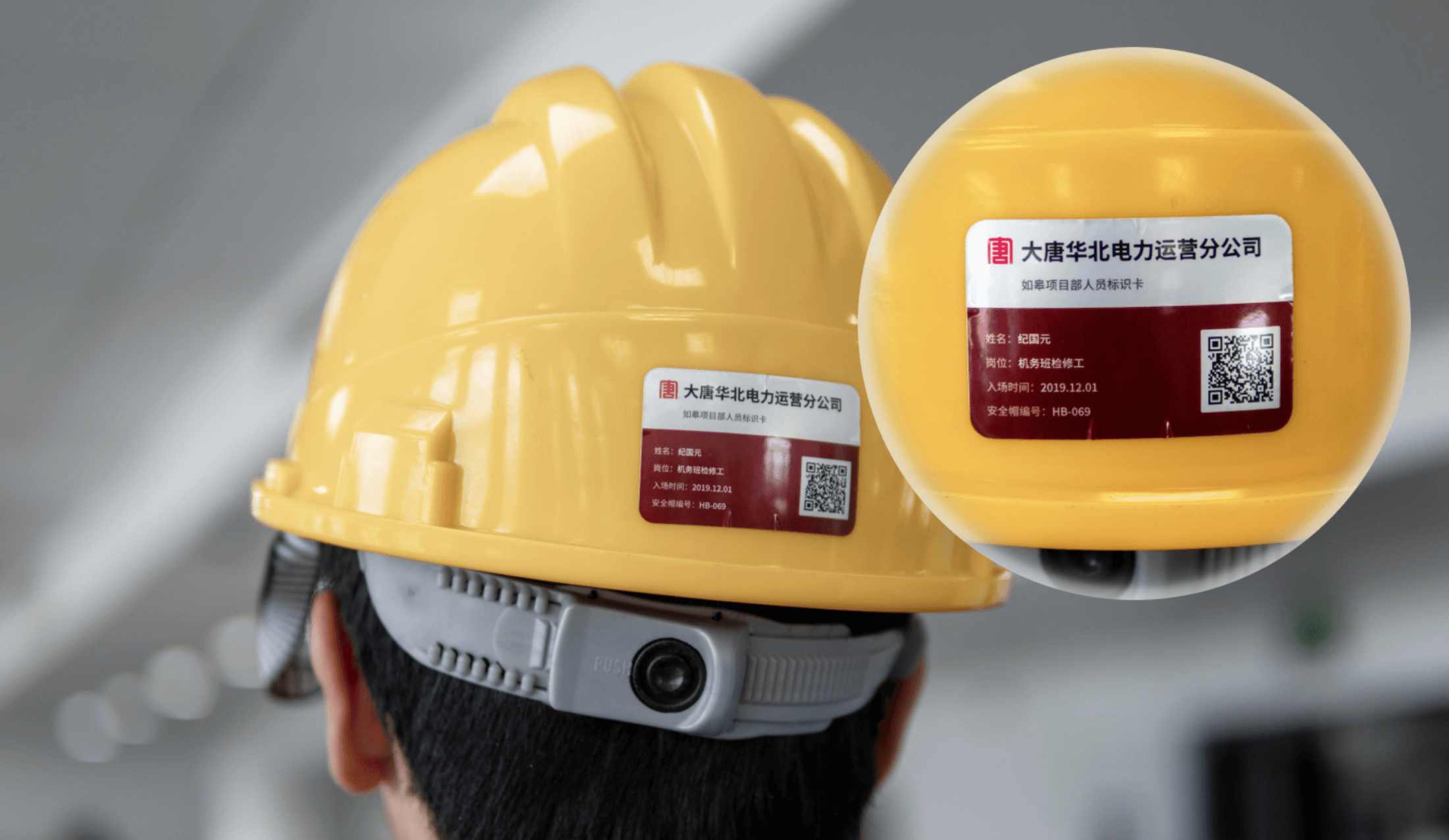
- Compatible Methods: Helmet Sticker
- Advantages: Low cost. Reference price: 4854mm, ¥0.45; 6090mm, ¥0.8. Waterproof, oil-proof, clear printing. Flexible, sticks securely to helmets without taking up space.
- Disadvantages: Glossy surfaces can reflect light, slightly reducing scan success rate; matte surfaces are recommended. Leaves residue when removed, suitable for fixed person-helmet assignments.
- Suitable Scenarios: Primarily for construction sites, energy/power sectors requiring helmets, facilitating staff identification and information management. Tags adhere firmly to helmets in complex environments, ensuring stable information display.
3. PVC Hard Card
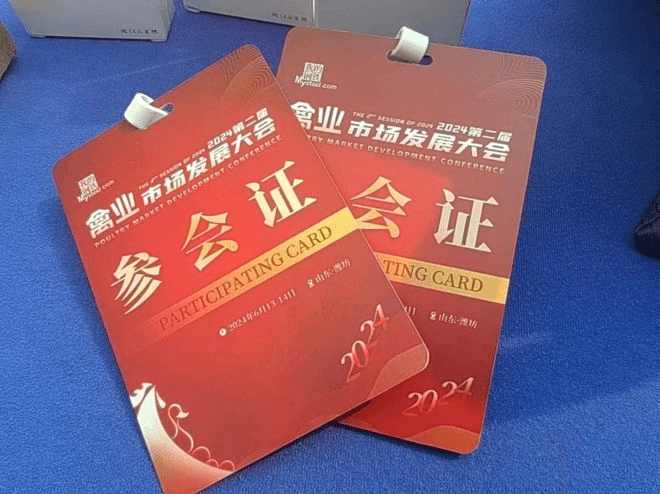
- Compatible Methods: Lanyard, Card Slot
- Advantages: Scratch-resistant, waterproof, oil-proof. Durability typically around 3 years. High toughness, bends and springs back. Usually matte surface for good scan success rate.
- Disadvantages: Relatively high cost. Reference price: 85*54mm, ¥2.7. Higher printing difficulty requires ensuring clarity. Single-use; replacement requires remaking.
- Suitable Scenarios: Long-term work credentials requiring high standards for personnel image and information display, like corporate employee IDs, government staff cards. Projects a professional image while ensuring long-term, stable information display, enhancing organizational image and management.
4. Frequently Asked Questions (FAQ)
Q1: The personnel information card is already made, but how can I change the content inside the QR code?
A: It is recommended to use a dynamic QR code generator to create personnel information QR codes. The generated QR code pattern remains the same, but the content can be updated at any time.
Q2: How to improve QR code scanning success rate in strong light environments?
A: Choose matte materials (e.g., silver adhesive or matte PVC hard cards) combined with dark-colored QR codes to enhance recognition success rates.