How Property Management Can Use Fire Safety Management Systems to Achieve Digital Transformation
Original: https://cli.im/article/detail/2317
As the head of a small or medium-sized property management company, you likely face significant pressure every day. Illegible handwriting in fire inspection logbooks, inspectors so busy they miss corners, and the inability to provide detailed records when fire department inspections occur. Not to mention, in case of an incident, the lack of proper evidence – just thinking about it is stressful. As society places increasing importance on fire safety and regulatory scrutiny tightens, the pressure on small and medium-sized property managers keeps growing.
A friend working at a small property management company once told me about a fire inspection where several pages were missing from the logbook. They couldn't figure out who failed to fill them out, resulting in a fine for the company and a severe reprimand for the responsible person. Situations like this are frustrating, yet they're not uncommon in small and medium-sized property management. Traditional manual inspections and paper-based recording methods are like an old, creaky bicycle – they simply can't keep up with today's demands.
Recently, I've discovered that digital fire safety management systems might be a good solution to these problems. Today, starting from the real pain points of small and medium-sized property management, I'll discuss why to use a digital system, what options are available on the market, and how to achieve transformation through low-cost solutions.
1. Why Should Small and Medium-Sized Property Management Go Digital?
1.1. Escalating Regulations, Paper Records Can't Keep Up
In recent years, fire department oversight has clearly intensified. A quick glance at the news reveals reports of fire inspections everywhere, requiring property managers to provide detailed data on inspections and hazard rectification – data that must be clear, complete, and traceable. The days of casually jotting notes in a notebook are long gone. My friend's fine resulted precisely from disorganized, incomprehensible inspection records. A digital fire safety system acts like a "lifesaver." It digitizes all data, stores it uniformly, and makes it available for review anytime, with reports exportable at the click of a button for fire department inspections. This not only meets regulatory requirements but also avoids fines due to non-compliant record-keeping. Essentially, it's a "compliance safeguard," giving small and medium-sized property managers confidence during inspections.
1.2. Limited Staff, But Efficiency Must Improve
In small and medium-sized property management, staff often have to multitask extensively. With few inspectors already burdened with numerous chores, fire inspections and hazard rectification often get neglected. Traditional manual inspections, relying on walking rounds and handwritten notes, frequently result in inspections that might as well not have happened. Discovered hazards often can't be reported to management promptly, dragging on until they become major issues. What can a digital system do? It allows inspectors to record situations in real-time, with data automatically aggregated in the backend. Managers can see what's happening on-site from their offices and decide on immediate actions. This not only boosts efficiency but also saves significant manpower and time costs.
2. What Digital Fire Safety Management Solutions Are Available on the Market?
Given the importance of digitalization, what options are actually available? They can roughly be divided into three types, each with its own characteristics and suitable scenarios.
2.1. Professional-Grade Smart Fire Safety Management Systems: High-End, High Cost
These systems are "heavyweights," featuring comprehensive functions, IoT connectivity, using sensors, drones, etc., to monitor fire alarms, equipment status, and even automatically warn of potential hazards. Sounds impressive, right? They suit large-scale property companies with ample budgets, such as those managing high-end office buildings, smart parks, or large residential complexes. But for small and medium-sized property managers, these systems can be "out of reach." Deployment cycles are long, costs range from tens of thousands to millions, and they require dedicated personnel for maintenance. Consider a small property company with few employees – where would the money and energy for such a complex system come from?
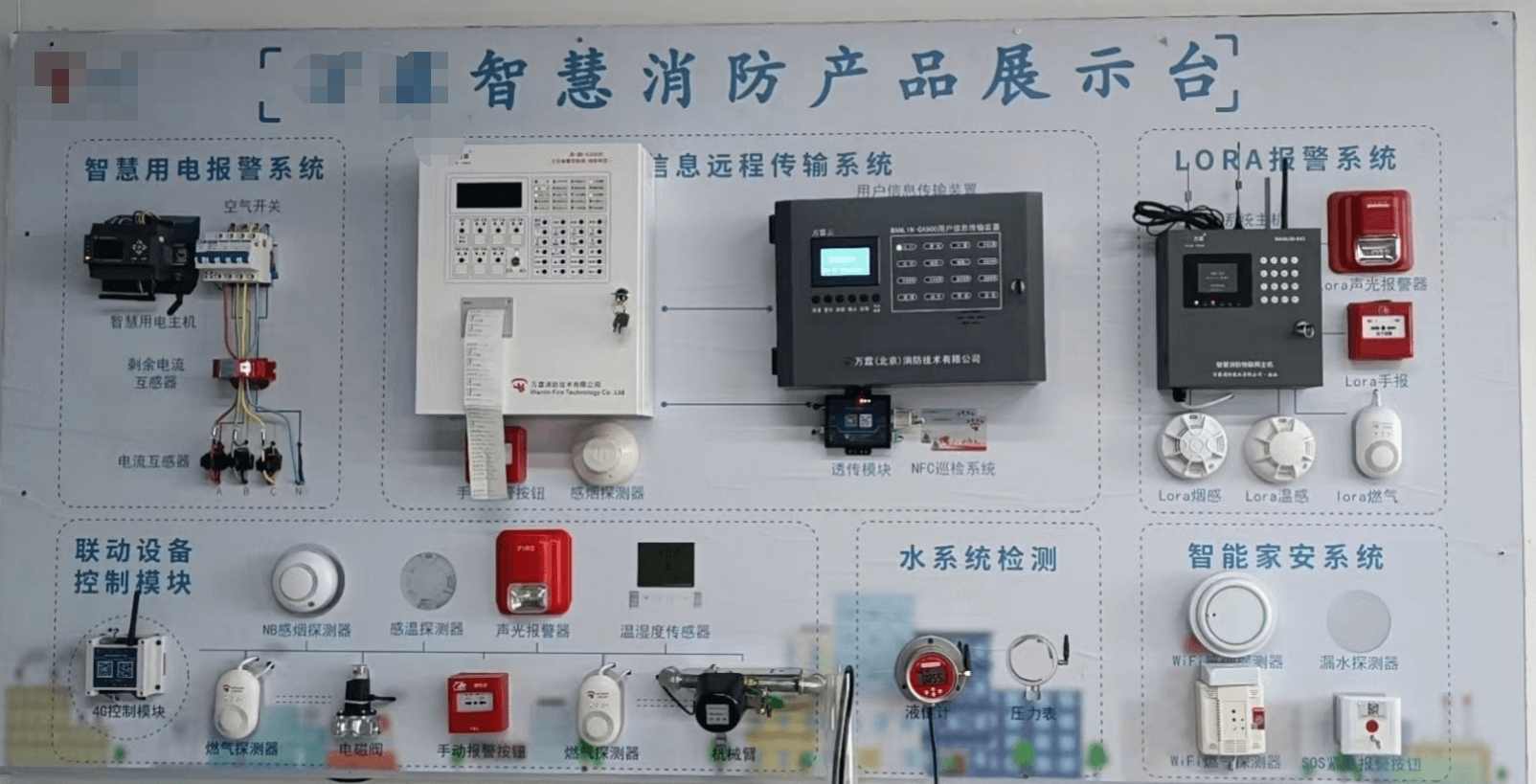
2.2. Traditional Patrol Systems: Practical, But With Barriers
This method is quite common in the market. It involves using specialized patrol devices for check-ins or mobile apps to record inspections, with data automatically transmitted to a backend. Costs are lower than professional-grade systems, and functionality is sufficient, leading many small and medium-sized property managers to try them. However, they aren't perfect. They require purchasing equipment, training staff on usage, and maintaining the patrol devices can be somewhat troublesome. For small property managers with limited staff and technical capacity, the pressure remains significant.
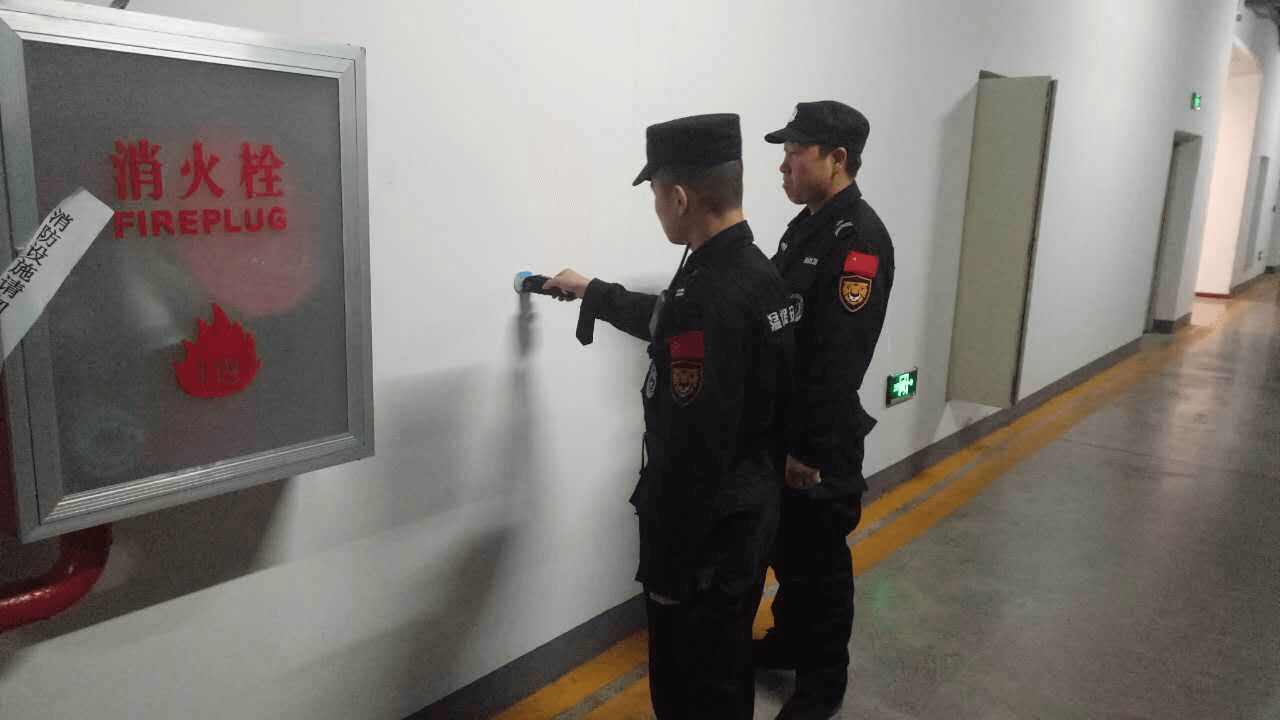
2.3. QR Code Lightweight Management: Simple Enough for Anyone
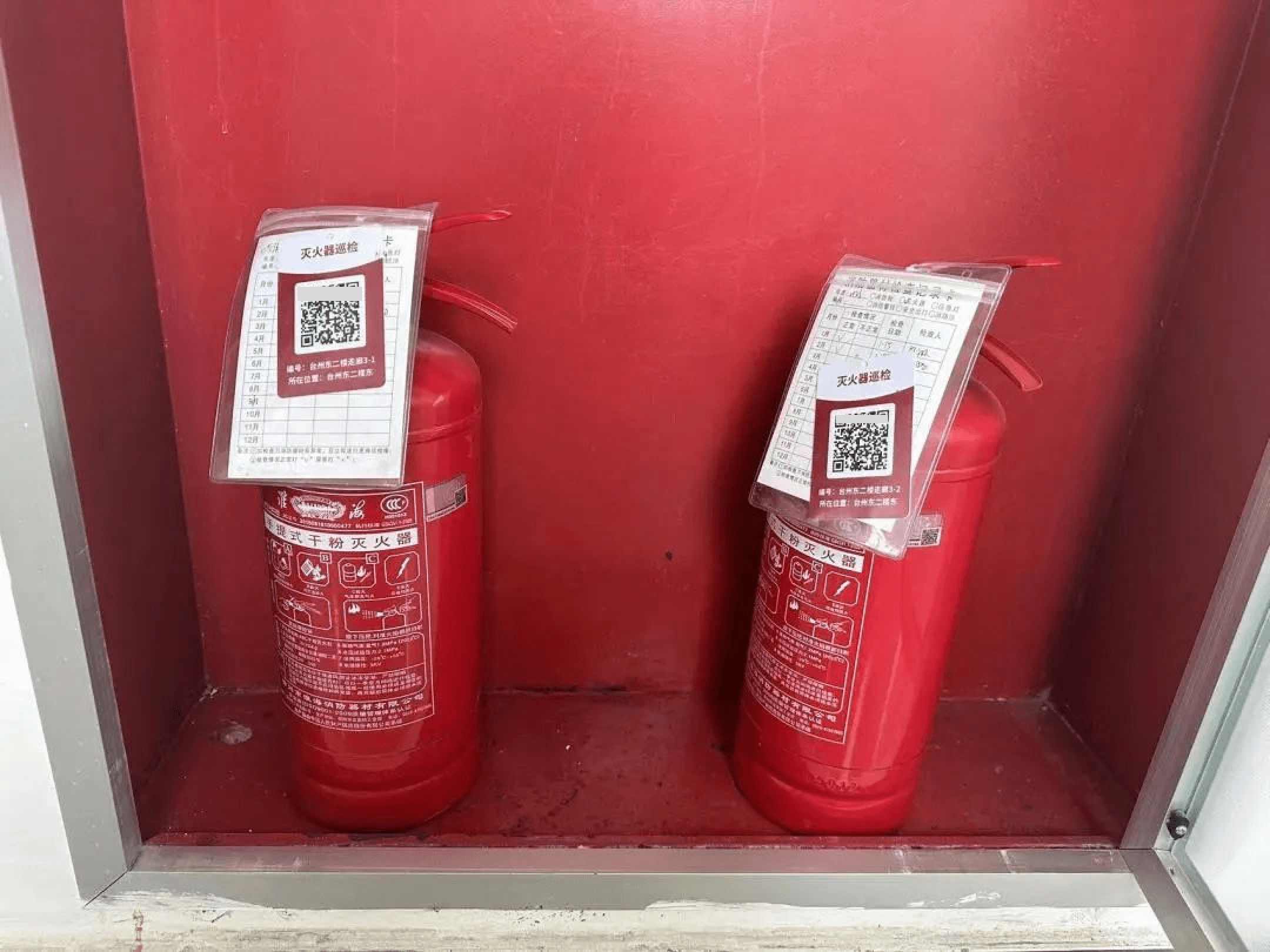
Another option is the QR code fire safety management system, such as the CaoLiao QR Code platform. Its operation is straightforward – even a 60-year-old security guard can use it without training. Place a QR code at each inspection point; inspectors scan it with their phone's WeChat, fill in information, upload photos, report hazards – all data automatically aggregates in the backend, with reports generated automatically. The biggest advantage of this method is "savings." No need to buy special equipment; WeChat handles it all. Deployment is quick – just stick the codes. Costs are low, even free to use. For small and medium-sized property managers, it's a "tailor-made" solution.
3. How CaoLiao QR Code Implements Fire Safety Management
Place QR codes at points like fire exits, fire extinguishers, and smoke detectors within the residential area. Inspectors scan the codes daily with their phones, mark "All Normal" or "Abnormal," and can take and upload photos. The management backend immediately sees this information, automatically notifying administrators to arrange fixes if issues are found. With a click, records print out, complete with inspector signatures – clear and straightforward, easily meeting fire department inspection requirements. The standout feature of CaoLiao QR Code is its "low barrier to entry." No need for high-tech gadgets; employees don't need to learn complex operations – who doesn't know how to scan a code and fill a form? You can get started by watching a two-minute tutorial, no training required. Not to mention the cost – it starts free, with no limits on inspection records or QR code generation, and affordable upgrades. For budget-conscious small and medium-sized property managers, isn't this exactly what's needed?
4. From "Passive Reaction" to "Proactive Management"
For small and medium-sized property management, fire safety management is ultimately a "survival issue." With regulations tightening and staff numbers dwindling, traditional methods are failing, making digital transformation an inevitable path. Lightweight solutions like CaoLiao QR Code aren't just tools; they're more like "considerate assistants," helping property managers shift from "passively coping with inspections" to "proactively managing safety." If you're also striving in small and medium-sized property management, why not try this "scanning code manager" – it's free, after all.