Is Using QR Codes for Paperless Health Education Really Reliable?
Original: https://cli.im/article/detail/2435
In many tertiary hospitals' wards, outpatient halls, and nurse stations, it's common to see a QR code accompanied by a line of text like "Scan to learn about preoperative instructions," "Scan to watch wound dressing videos," or "Scan to view home care guidelines." These QR codes are gradually replacing traditional paper-based educational materials.
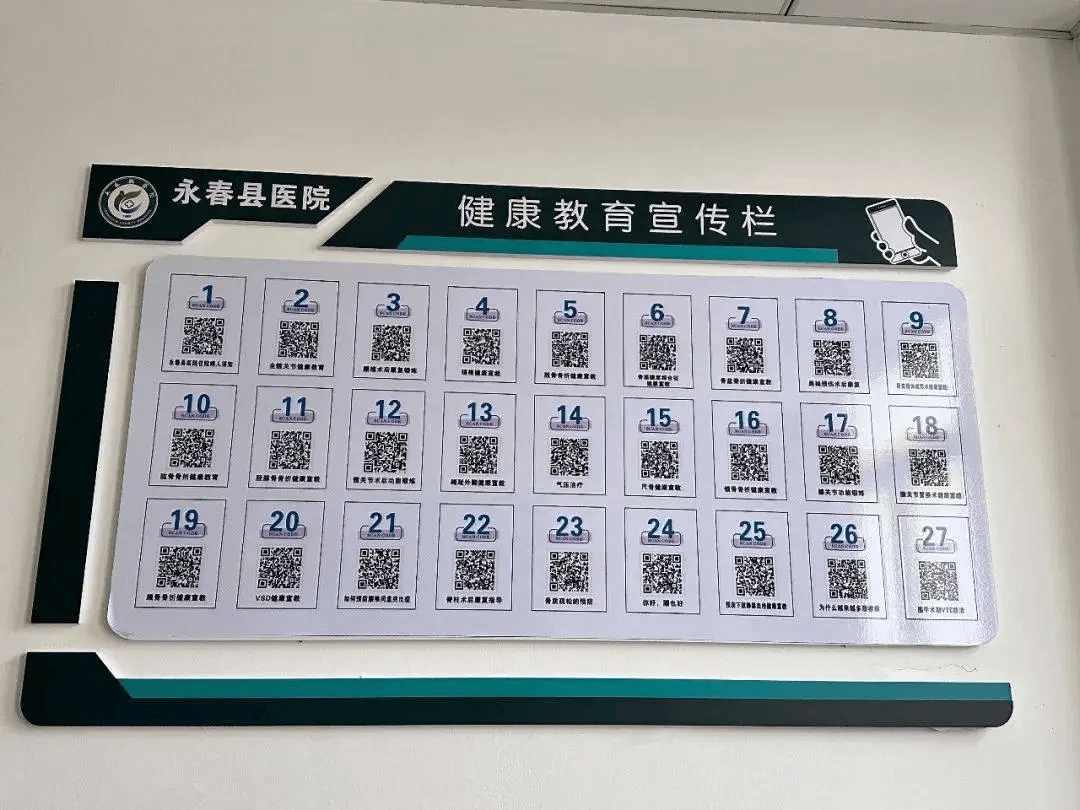
This shift isn't just about "following the trend"; it's driven by practical considerations of efficiency, quality, and sustainability. Numerous studies have shown that using QR codes to deliver health education content not only significantly saves healthcare professionals' time but also enhances patient comprehension and, to some extent, reduces hospital operational costs.
Advantages of Health Education QR Codes
In clinical care, health education has always been an indispensable part of the workflow. Whether it's preoperative preparation, self-care procedures, or discharge guidance, healthcare workers often need to repeatedly explain similar content. While traditional methods are reliable, they are inefficient, highly repetitive, and slow to update.
In contrast, QR code-based education flexibly integrates various types of information—such as videos, images, text, and documents—into a single resource. Patients can simply scan the code to access and review the information as needed, allowing healthcare providers to focus their energy on more personalized communication.
1. Saves Over 50% of Education Time
According to a study titled "Application of QR Code Micro-video Education for Breast Self-Examination in Patients with a Family History of Breast Cancer," traditional education methods required nurses an average of 17 minutes for explanation. However, after guiding patients to scan a QR code and watch an instructional video, the learning time was reduced to just 7 minutes, saving nearly 60% of the time. In the informed consent process for urological surgery, when patients learned relevant information in advance via QR codes, face-to-face communication time between doctors and patients decreased from 9.5 minutes to 5.3 minutes, improving efficiency by over 30%.
This model of "pre-delivering information + enhancing communication efficiency" is becoming a standard practice for many hospitals optimizing their workflows.
2. Improves Patient Comprehension and Operational Accuracy
The true effectiveness of health knowledge dissemination lies not in how much is explained, but in how well patients understand and can apply the information. Paper leaflets often use abstract language and obscure expressions, making comprehension difficult, especially for patients with low health literacy or older adults. In contrast, the multimedia content embedded in QR codes—such as animated demonstrations, instructional videos, and easy-to-understand diagrams—makes it easier for patients to understand and remember.
Data shows that in breast self-examination programs, the knowledge acquisition rate among patients who learned via QR code scanning reached 92%, with an operational proficiency rate of 88%. In contrast, the traditional education group scored only 24% and 18%, respectively. Similar advantages have been observed in key scenarios like preoperative informed consent, postoperative wound dressing, and diabetes injection guidance, where operational accuracy and other metrics improved by 3 to 4 times.
3. Reduces Operational Costs and Paper Waste
The transition from paper to digital brings significant direct and indirect cost savings for hospitals, aligning with the green and sustainable development principles advocated by modern healthcare. One study pointed out that if a large comprehensive tertiary hospital implemented paperless sharing of Electronic Health Record (EHR) data through smart applications, it could save approximately 11.8 million RMB annually. Another study indicated that the implementation of an Electronic Medical Record (EMR) system alone helped a hospital save about 1.3 million A4 sheets of paper in 2008.
QR code educational materials can be copied and distributed indefinitely with almost zero marginal cost. A single QR code, once generated, can be used across multiple settings—such as wards, medical record booklets, and outpatient halls—allowing users to view the content directly on their phones. For administrators, this approach is not only cost-effective but also hassle-free.
How to Generate Health Education QR Codes
There are many QR code generation tools available on the market. Among them, numerous hospitals have chosen the CaoLiao QR Code platform for scenarios like health education, medical equipment management, and information collection. Its main advantages include: no reliance on IT development, a lightweight and user-friendly system, quick setup, and the ability to modify content online at any time, making it suitable for rapid deployment in clinical environments. Below, we use CaoLiao QR Code as an example to detail the process of setting up health education QR codes:
1. Use Templates
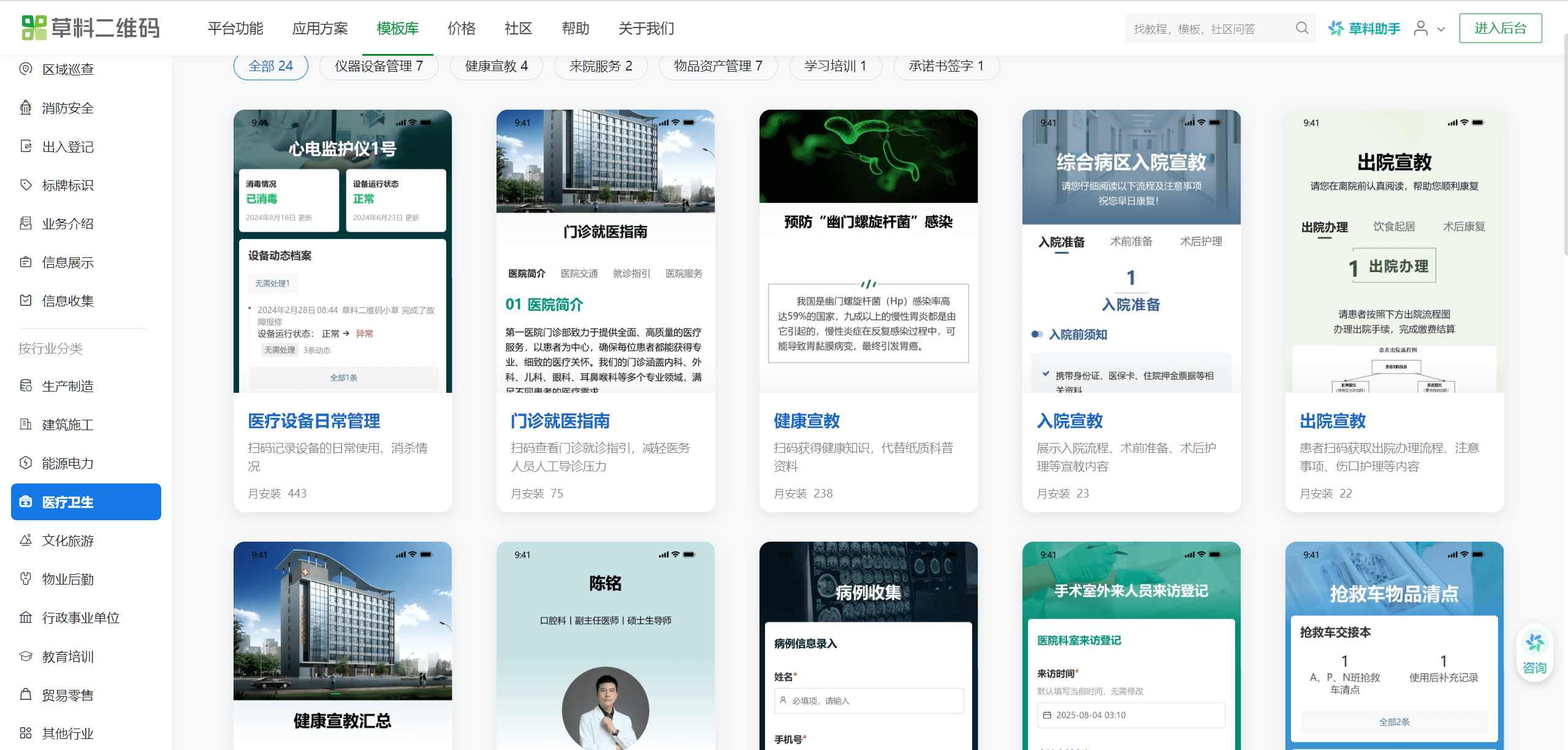
Access the CaoLiao QR Code official website on a computer, and you can find multiple templates related to hospital health education in the template library, such as admission education, discharge education, and health education summaries. Based on your needs, select an appropriate template, click "Use Template to Generate Code," and enter the editor to start editing.
2. Edit Educational Content
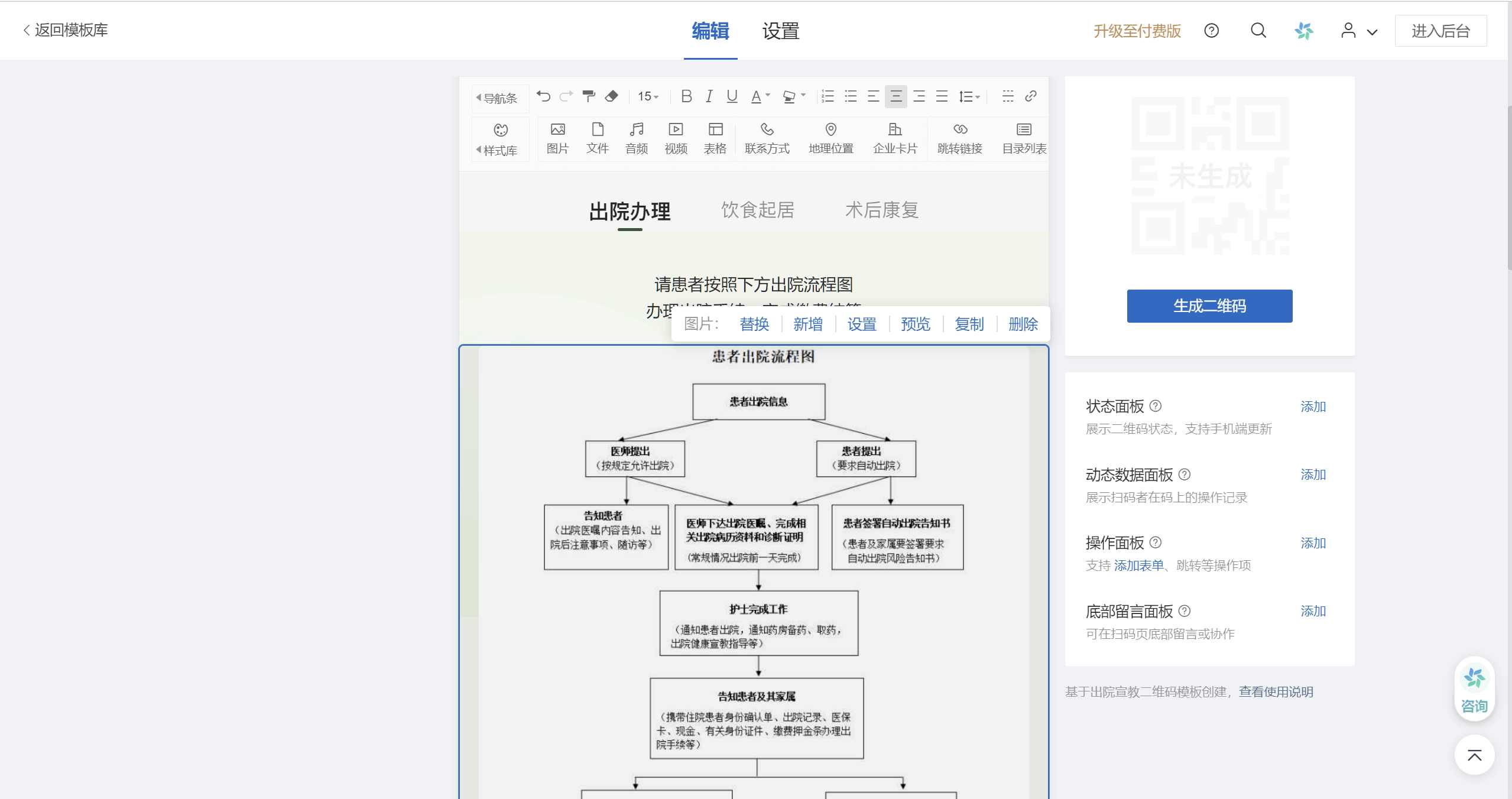
Replace the text, images, or videos in the template with materials actually used by your hospital. For example, integrate discharge instructions, dietary advice, postoperative wound care procedures, and family precautions into a single QR code. Taking cesarean section as an example, you can combine breastfeeding techniques, postoperative exercise guidance, wound care demonstrations, etc., allowing patients to access all information at once.
3. Generate and Publish the QR Code
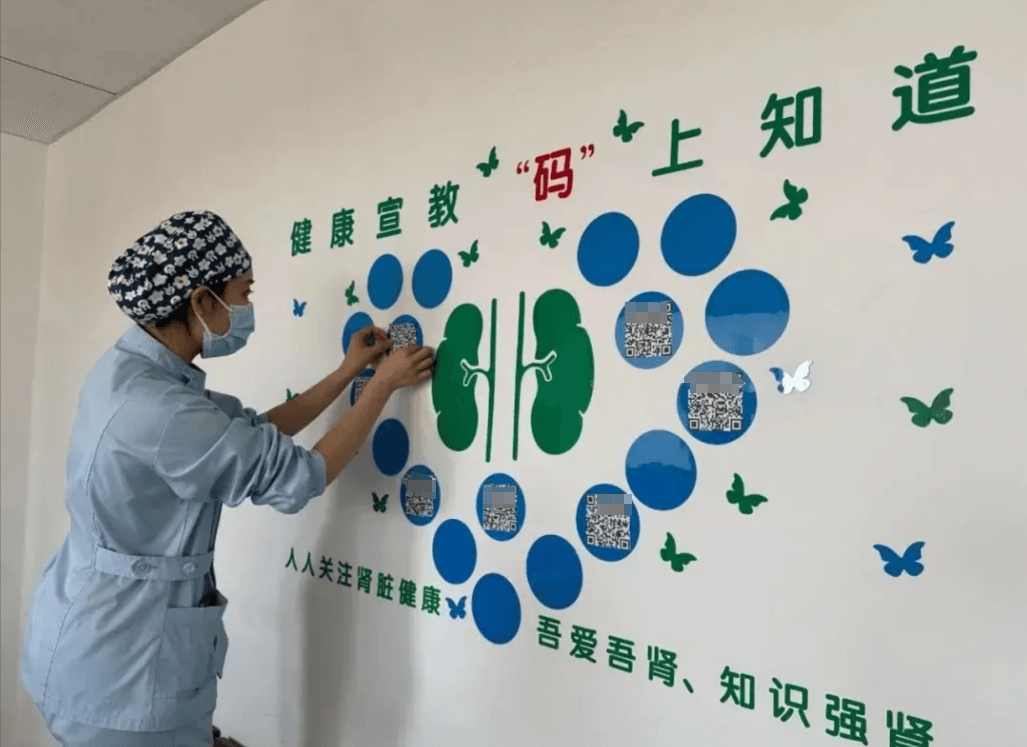
Once content editing is complete, you can generate the QR code. Customize the QR code's appearance based on actual usage scenarios, adding the hospital's name and logo. The generated QR code can be downloaded, printed, and posted in wards or on bulletin boards. It can also be directly integrated into electronic medical records or WeChat service account menus to maximize scan rates and coverage.
4. Subsequent Management
After the QR code is generated, you can modify the content at any time. For instance, if disease guidelines are updated or operational procedures are adjusted, you can make changes in the CaoLiao management backend at any time, ensuring patients see the latest information. The backend also allows you to view data such as the number of scans and source distribution for each QR code, helping hospitals understand patient usage and continuously optimize content quality.
Issues to Note During Promotion
While QR code education is beneficial, hospitals should pay close attention to the following aspects in practical use:
- Adaptation for Elderly Patients: Some elderly individuals may be unfamiliar with scanning QR codes. It is advisable to retain paper materials in necessary scenarios or arrange for volunteers or nursing assistants to provide on-site assistance.
- Content Review Mechanism: Educational content should be written or reviewed by professional medical staff to ensure accuracy and clarity, avoiding exaggeration or misinformation.
- Information Privacy and Compliance: If patient privacy information is involved (e.g., preoperative test indicators, personal medication plans), it must comply with the hospital's data security management regulations.