Property Management Without Enforcement Power: How to Effectively Manage Electric Vehicles
Original: https://cli.im/article/detail/2459
In recent years, fires caused by electric bicycles being "brought into buildings" or charged via "overhead wiring" have frequently made headlines. Many regions have subsequently issued bans. Taking Beijing as an example, the "Beijing Fire Protection Regulations," officially implemented on May 1st this year, clearly state: "It is prohibited to carry electric bicycles or their batteries into elevator cars. Units or individuals who violate this regulation and refuse to correct their behavior may face fines of up to 1000 RMB."
Not only are residents held accountable for violations, but the regulations further clarify that property service enterprises must fulfill fire safety responsibilities and undertake corresponding management obligations. For projects that fail to conduct inspections or effectively prevent illegal parking and charging, relevant departments will order rectifications, and serious cases may lead to accountability.
In other words, if problems occur, not only residents face penalties, but the property management is also held responsible.
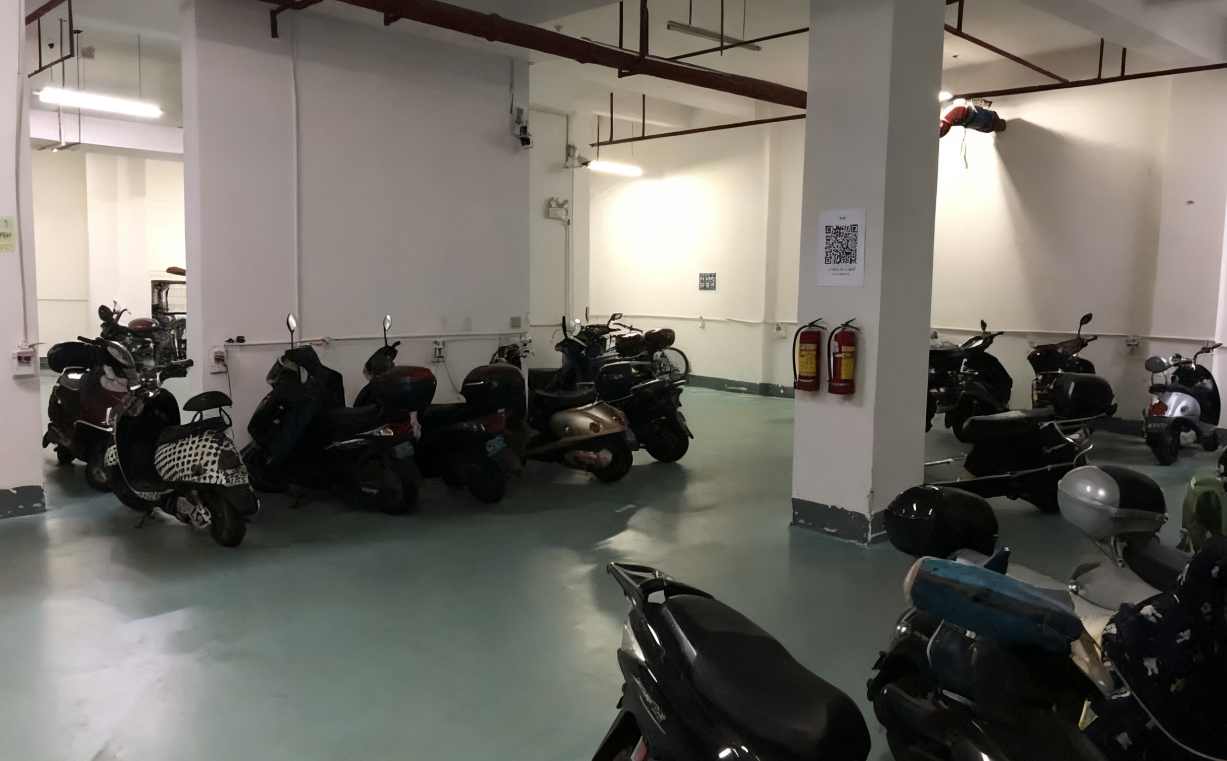
Property Management: Not Unwilling, But Unable to Enforce Effectively
Managing electric vehicles sounds simple, but in reality, it is very challenging. Only those on the front lines in property management truly understand that the difficulty lies not in a lack of regulations, but in three practical operational challenges.
1. Insufficient Staff
Many property management companies have not established a systematic "specialized electric vehicle management mechanism." There are no dedicated personnel for patrols; promotional materials are put up but not maintained; when problems arise, they resort to last-minute measures like blocking elevators or issuing notices. It's not that property management is negligent—they lack personnel, methods, and tools.
2. No Enforcement Power
Even when issues are identified, property management cannot impose fines or tow vehicles like law enforcement agencies. At most, they can only advise. However, when dealing with uncooperative residents, "advice" often proves ineffective and can even lead to conflicts.
3. Residents May Not Be on Your Side
Electric vehicles are a necessity for many households, and management measures are often seen as "inconvenient." When property management tries to strengthen controls, they frequently face backlash in WeChat groups, leaving them in a difficult position.
What Property Management Should Do Is Not Enforcement, But Providing Evidence That "You Acted"
Although property management lacks enforcement power, according to relevant regulations such as the "Fire Protection Law" and "Property Management Regulations," they must undertake responsibilities like daily patrols, promotional guidance, and identifying and reporting hazards.
The key is not whether they fulfilled their duties, but whether they can prove they did.
Specifically, they can start from the following four aspects to gradually establish an executable, traceable, and accountable management mechanism:
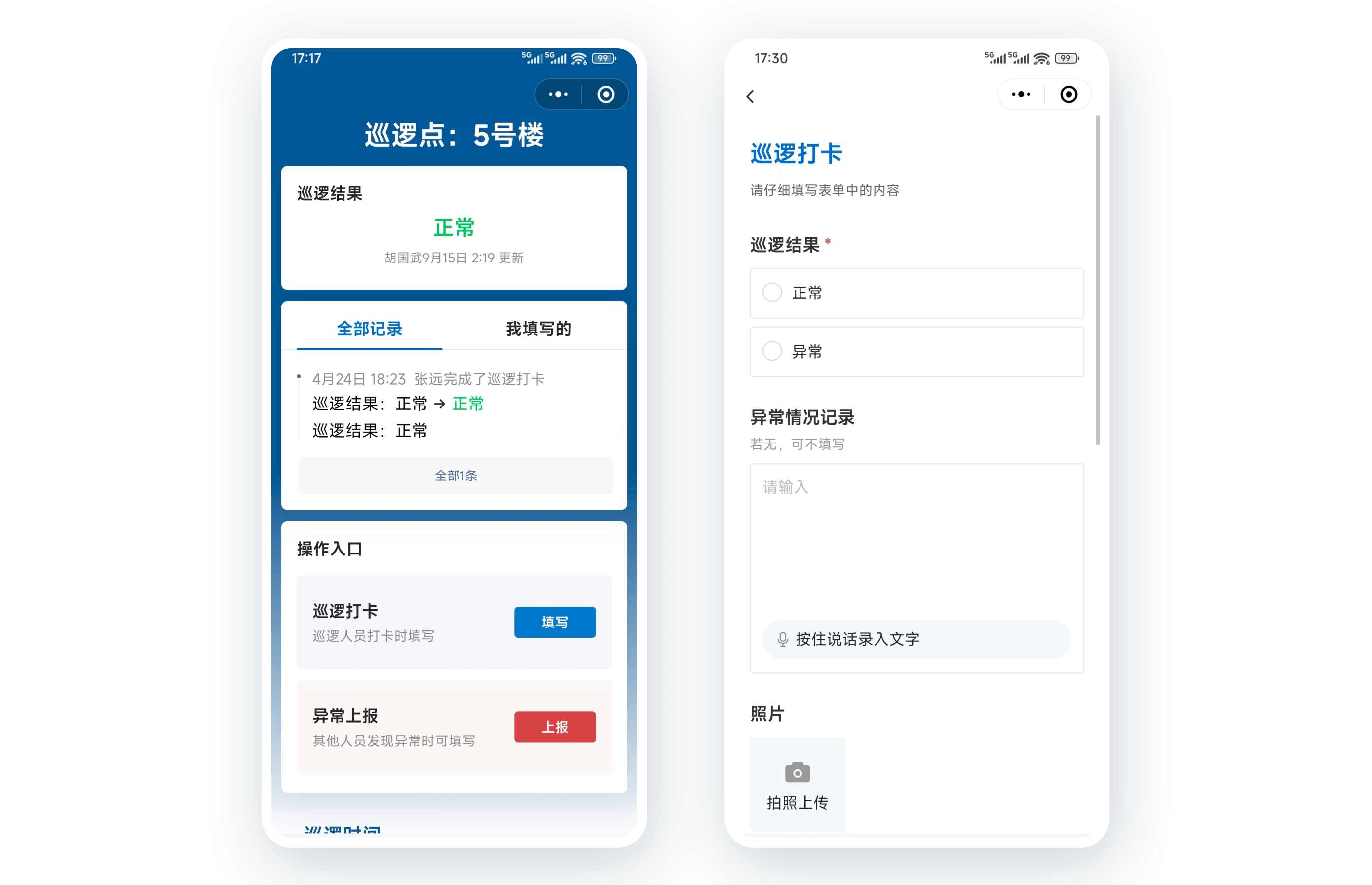
1. Establish Institutionalized, Traceable Patrol Procedures
Do not wait for surprise inspections or incidents to hastily check and补记录. Set fixed patrol frequencies (e.g., twice daily), designate responsible persons, and ensure all records are electronically traceable.
For example, place QR codes at patrol points. Scanning to check in and filling out patrol forms not only saves time compared to paper records but also allows for backend archiving and easy retrieval. This method is more stable and risk-resistant than pen-and-paper or verbal reports. Combined with planning functions, it can help address missed inspections.
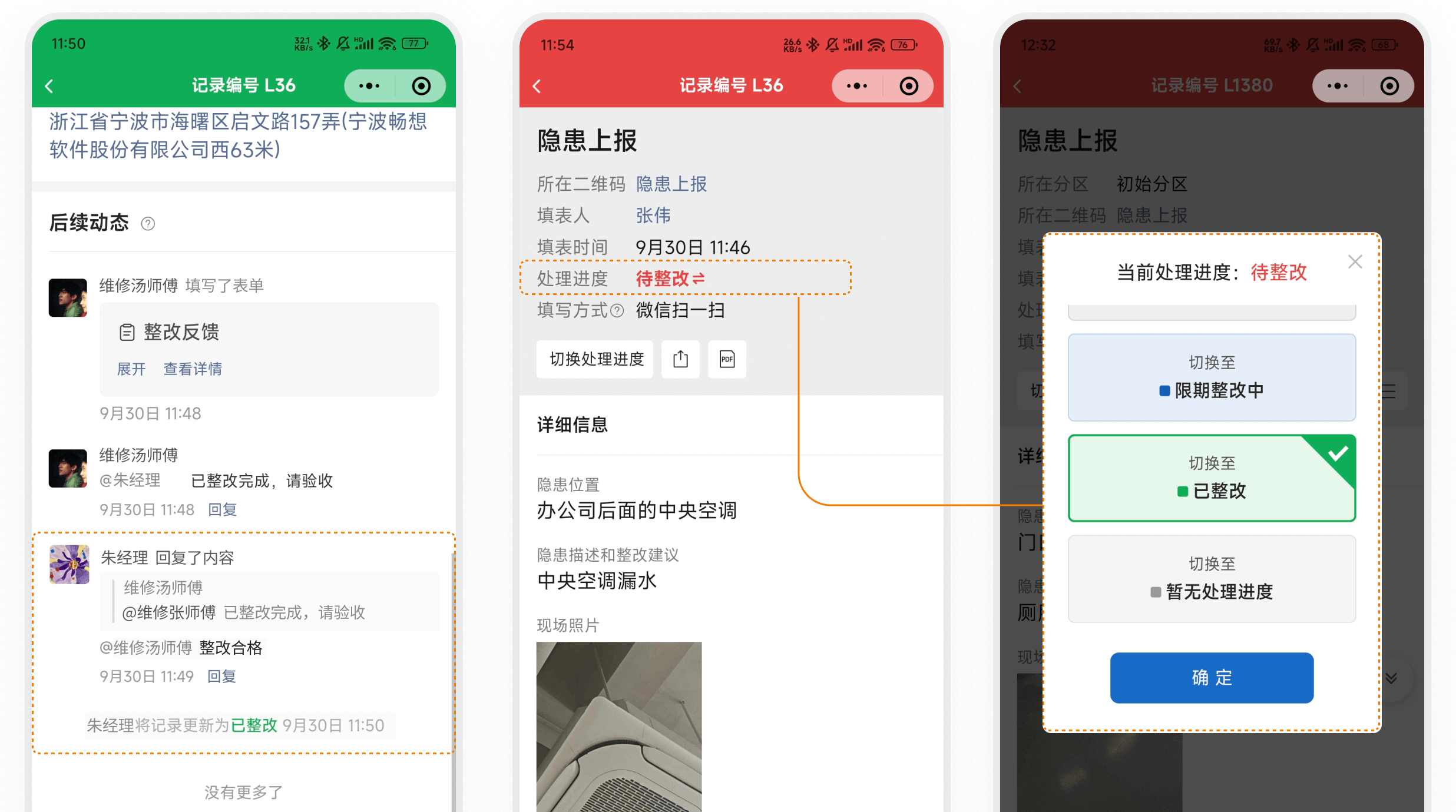
2. Implement Closed-Loop Management for Hazards
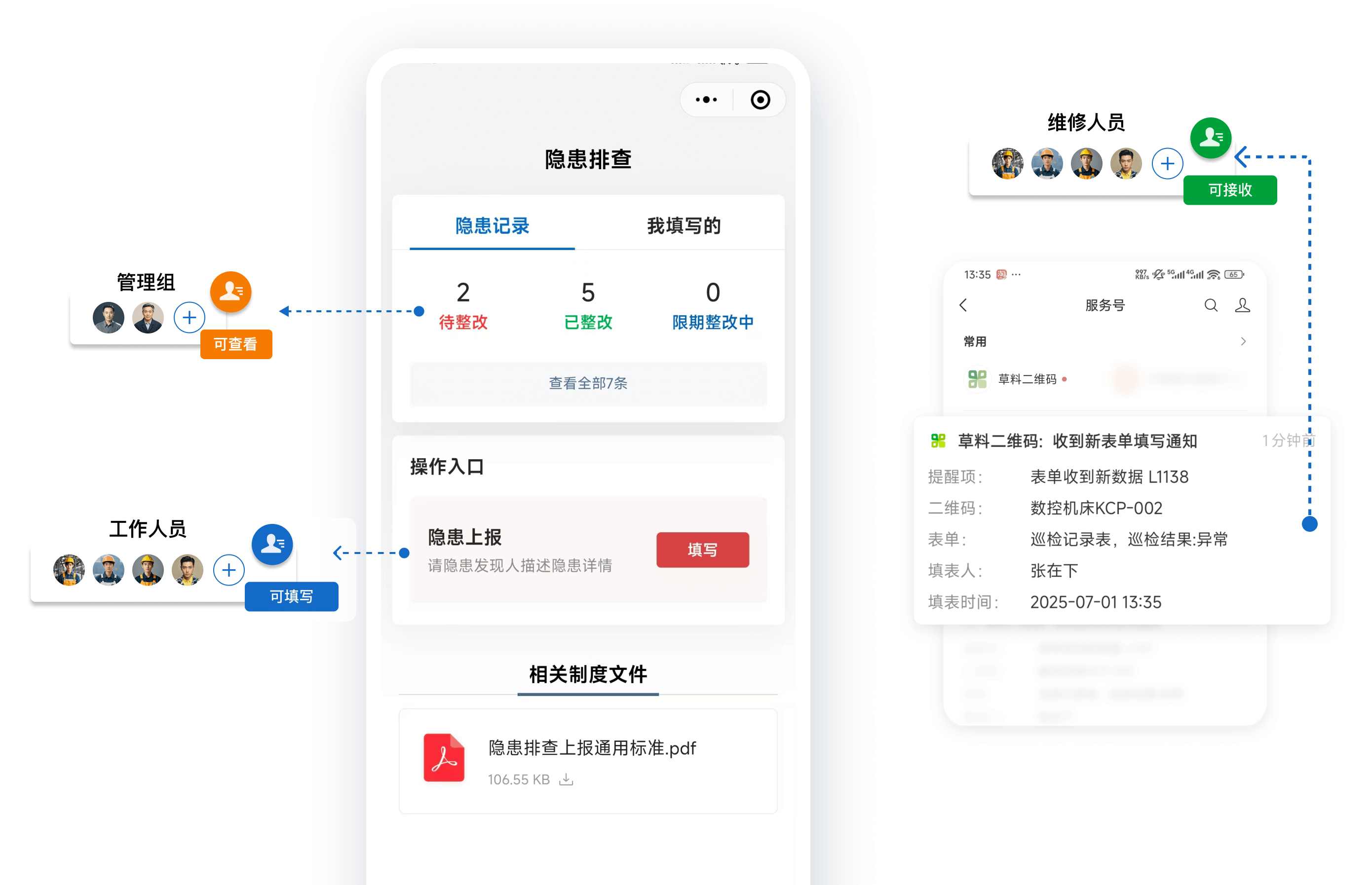
When issues are found, do not stop at "verbal reminders." Ensure full-process documentation, including discovery photos, rectification notices, and handling results. Property management can set up a simple reporting mechanism, such as using CaoLiao QR codes to generate "hazard reporting QR codes" posted in key areas like hallways, elevator entrances, and sheds. Security or residents can scan to report issues. Managers receive notifications and can assign tasks to responsible persons, forming a closed-loop process of "discovery-handling-reinspection" to avoid disputes over "identified but unaddressed" issues.
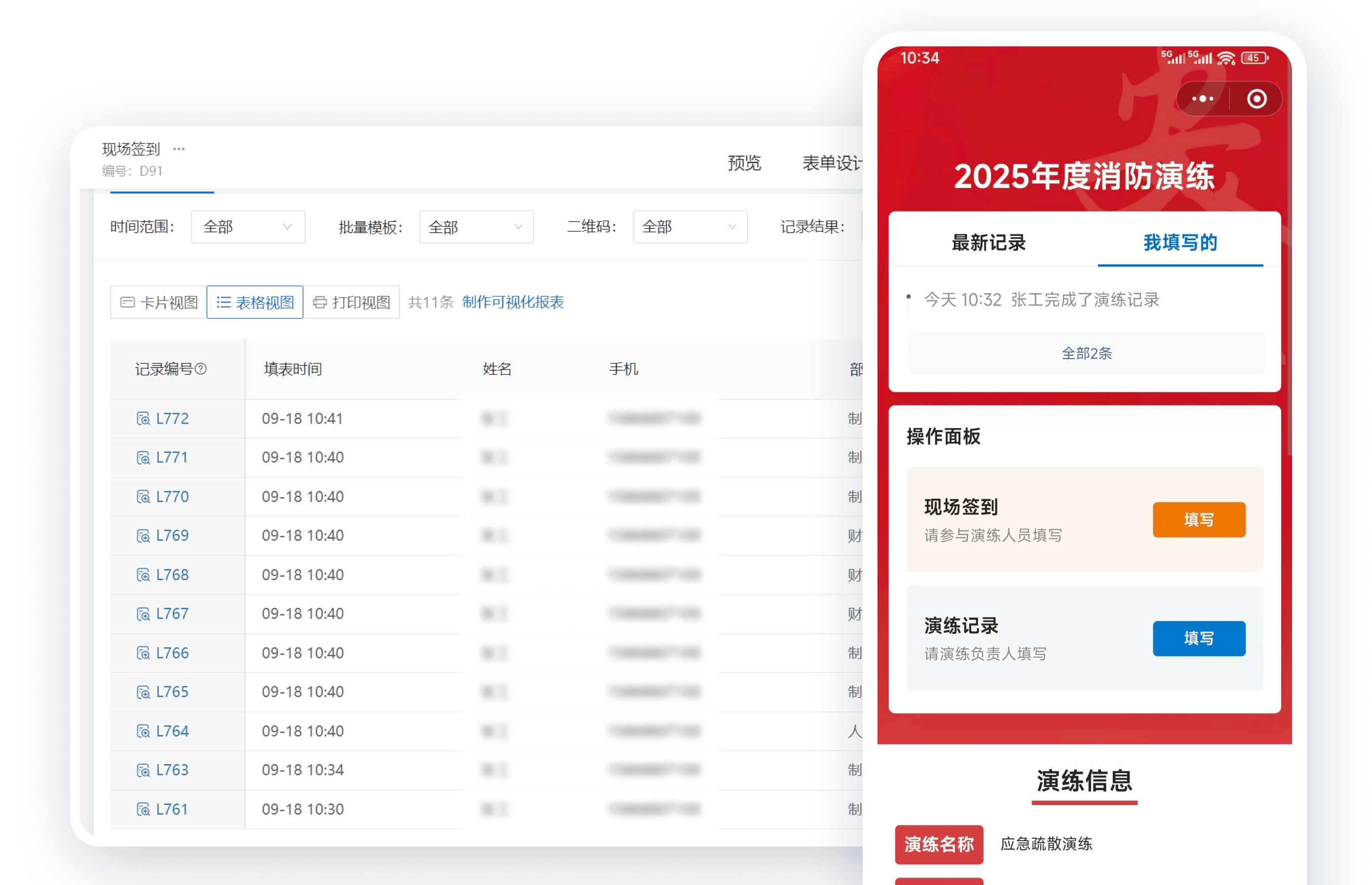
3. Ensure Promotions and Training Are Recorded and Verifiable
Safety promotions, fire training, and drills should not be mere formalities. In practice, whether these activities were conducted and who participated will be questioned during inspections or accountability processes. For instance, using QR codes for training attendance records, having photos or videos of drills, and tracking the number of readers for educational materials via QR codes. This data not only helps during inspections but also ensures actual coverage of promotional efforts.
4. Clearly Define Hierarchical Management Responsibilities
Each building, shed, and elevator entrance should have a designated responsible person to avoid blame-shifting during incidents. Responsibility allocation should be documented in the system and implemented through role-based permissions.
Recommended: Utilize Lightweight Tools
In tasks like electric vehicle fire safety management, actions such as patrol records, hazard reporting, and promotional traceability seem simple. However, sustaining them long-term, ensuring they are documented, and forming closed loops are far from achievable with paper records and manual communication alone. Digital management tools can help implement these tasks more effectively.
For most property management companies, implementing expensive smart fire protection systems is not feasible. Instead, lightweight, quickly deployable digital tools are more suitable.
Take CaoLiao QR codes as an example: by simply posting QR codes, management processes are digitized. Just paste a code, scan it, and fill out the form to complete record uploads, notifications, and archiving.
- Post QR codes at patrol points: Security personnel scan codes during daily patrols to log inspection status. The system automatically records time, personnel, and content, allowing monthly and area-based export of patrol records for archiving.
- Set up hazard reporting entries: Residents or patrol personnel can scan to upload photos and descriptions. The system notifies responsible persons in real-time, with the entire handling process documented.
- Safety training QR codes: Residents scan to view fire safety materials and watch short videos; scanning counts as "read." During drills, scanning codes for attendance provides data-backed records of participation and promotional effectiveness.
- Establish responsibility lists and record archiving: All reports, patrols, and handling actions are automatically stored in the backend. If inspected or incidents occur, the entire management process can be quickly reconstructed.
The advantages of these methods include:
- No learning curve: Both setup personnel and users can start without special training.
- No additional hardware investment: Use via WeChat scanning.
- Low cost: CaoLiao QR codes offer many free features like basic patrols, reporting, notifications, and data export. Simple use is free; advanced annual plans cost less than 3000 RMB.
- Not just formalities, but traceability: Use the simplest means to provide evidence and system support for "I did it."
CaoLiao QR codes cannot solve attitude problems in management, but they can document your existing work, helping property management truly "implement" systems and make work "visible."
Enabling Property Management to Have Mechanisms and Records
Electric vehicle management is a common challenge in the industry. Property management cannot and should not replace law enforcement, but they can solidly perform necessary actions through regular patrols, closed-loop management, traceable promotions, and clear responsibilities.
Ultimately, this helps projects avoid the passivity of "being unable to explain when incidents occur" and find a more stable balance between regulation and resident needs.
This is not only necessary for compliance but also a key action to protect property management enterprises themselves. When risks and accountability arise, they can confidently say: We managed it, and we can prove we acted.