Detailed Guide to Creating a Property Project Safety Hazard Ledger
Original: https://cli.im/article/detail/2364
In property management, a hazard ledger is a core tool for accident prevention. It systematically records, tracks, and closes the loop on safety hazards, enhancing community safety. This article combines regulatory requirements with practical case studies to detail the key points of creating a safety hazard ledger, helping you become an annual safety leader!
I. Ledger Module Design
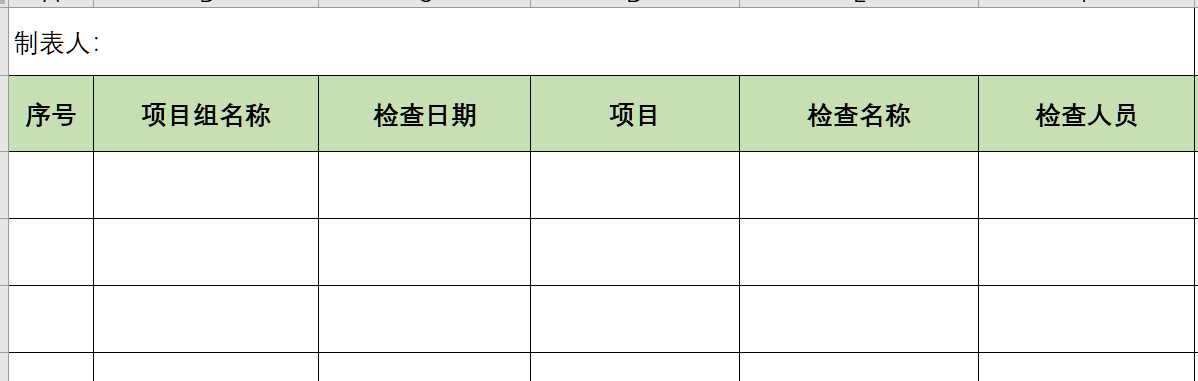
1. Basic Information
Hazard Source: Information such as inspection name, inspection time, and may include inspectors. Hazard ID: Code according to the rule "YH-year-month-sequence number" (e.g., YH-2025-01-001). Discovery Time/Location: Specify the exact date and area (e.g., "Fire escape, Unit 2, Building 3"). Recorder and Responsible Person: Clearly identify the discoverer and the person responsible for rectification to ensure accountability.
2. Hazard Details
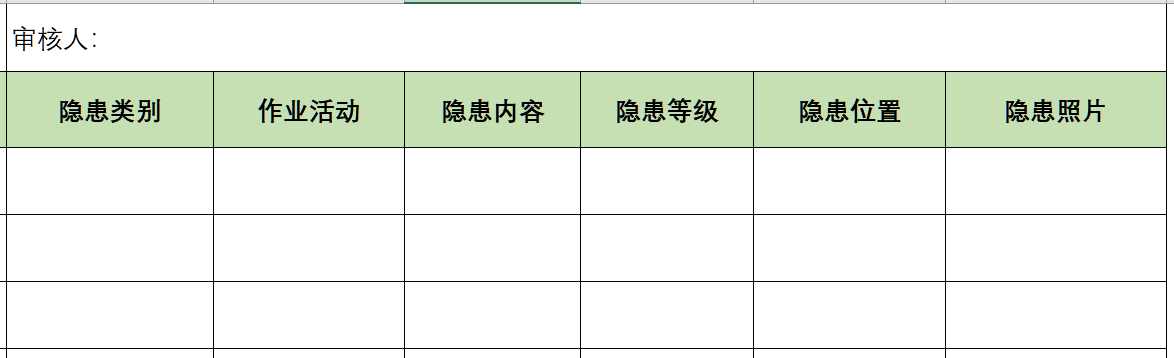
Category Management: Refer to four types of risk sources (human, natural, facilities/equipment, others) to develop targeted measures.
Risk Level: Classify by "Red (major), Orange (significant), Yellow (general), Blue (low)" levels, prioritizing high-risk items. The LS method or LEC method can also be used for grading!
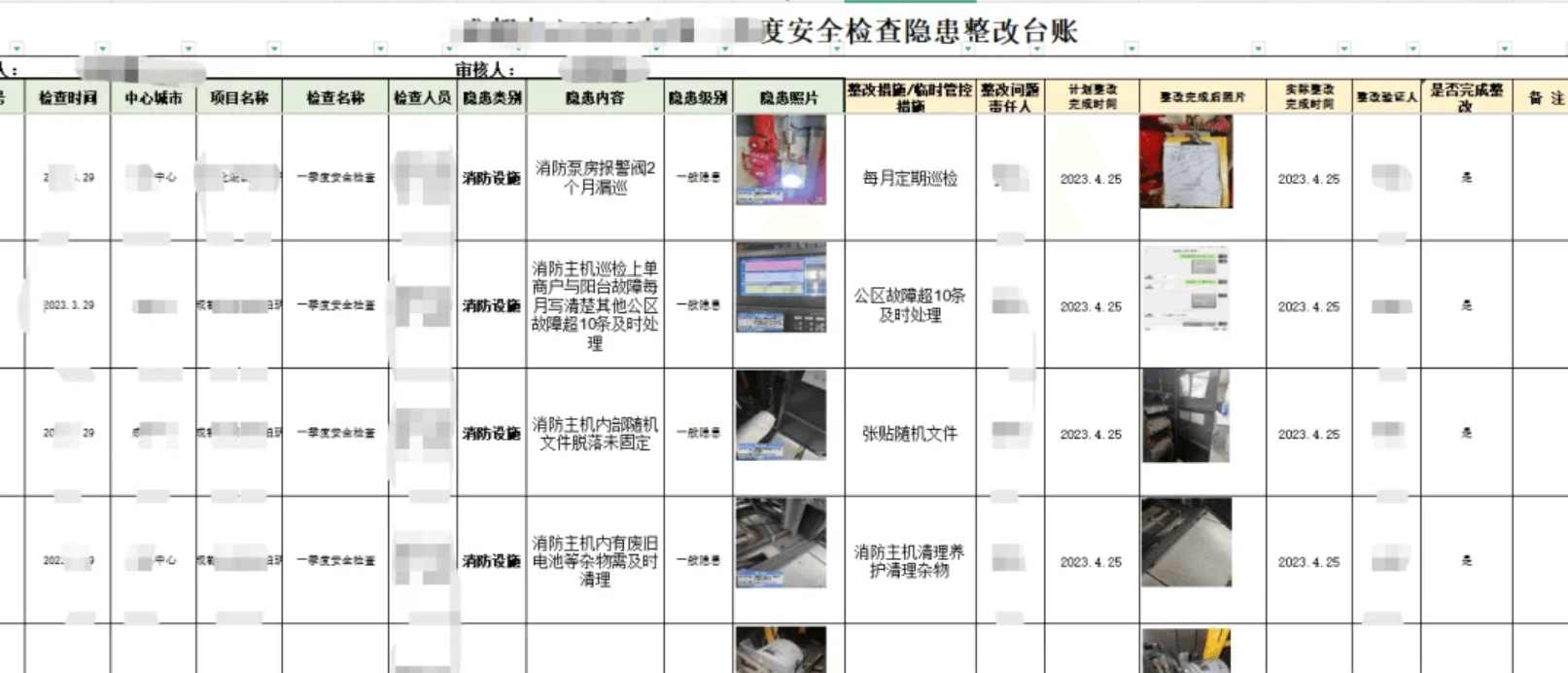
Text and Image Records: Descriptions should be quantifiable (e.g., "Fire extinguisher pressure value below 1.2MPa") and include on-site photos. It is recommended to use a watermark camera for photos.
3. Rectification and Closure
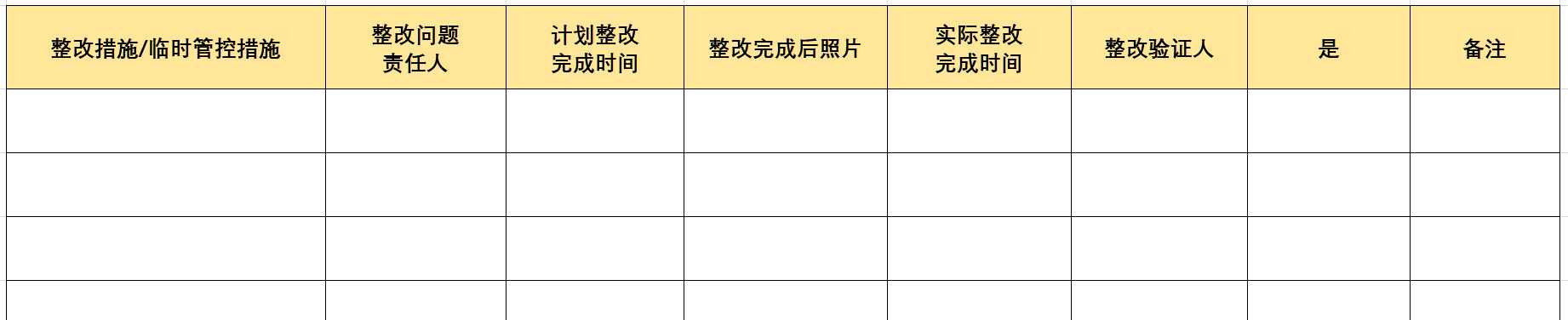
Measures and Deadline: Specific plan + clear deadline (e.g., "Replace damaged manhole cover within 3 days").
Acceptance of Rectification: After rectification, upload photos of the rectified situation and record the acceptance person and acceptance time.
Status Identification: Dynamically mark as "Pending Rectification / Under Rectification / Accepted / Overdue". It is recommended to use Excel conditional formatting to automatically highlight overdue items in red.
II. Recommended Efficient Tools
1. Hazard Entry
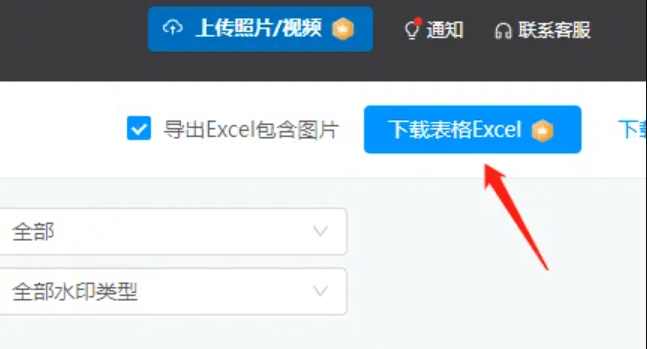
It is recommended to use a watermark camera for photography, which can then directly export a spreadsheet containing the photos for easy import into the hazard ledger.
2. Template Design
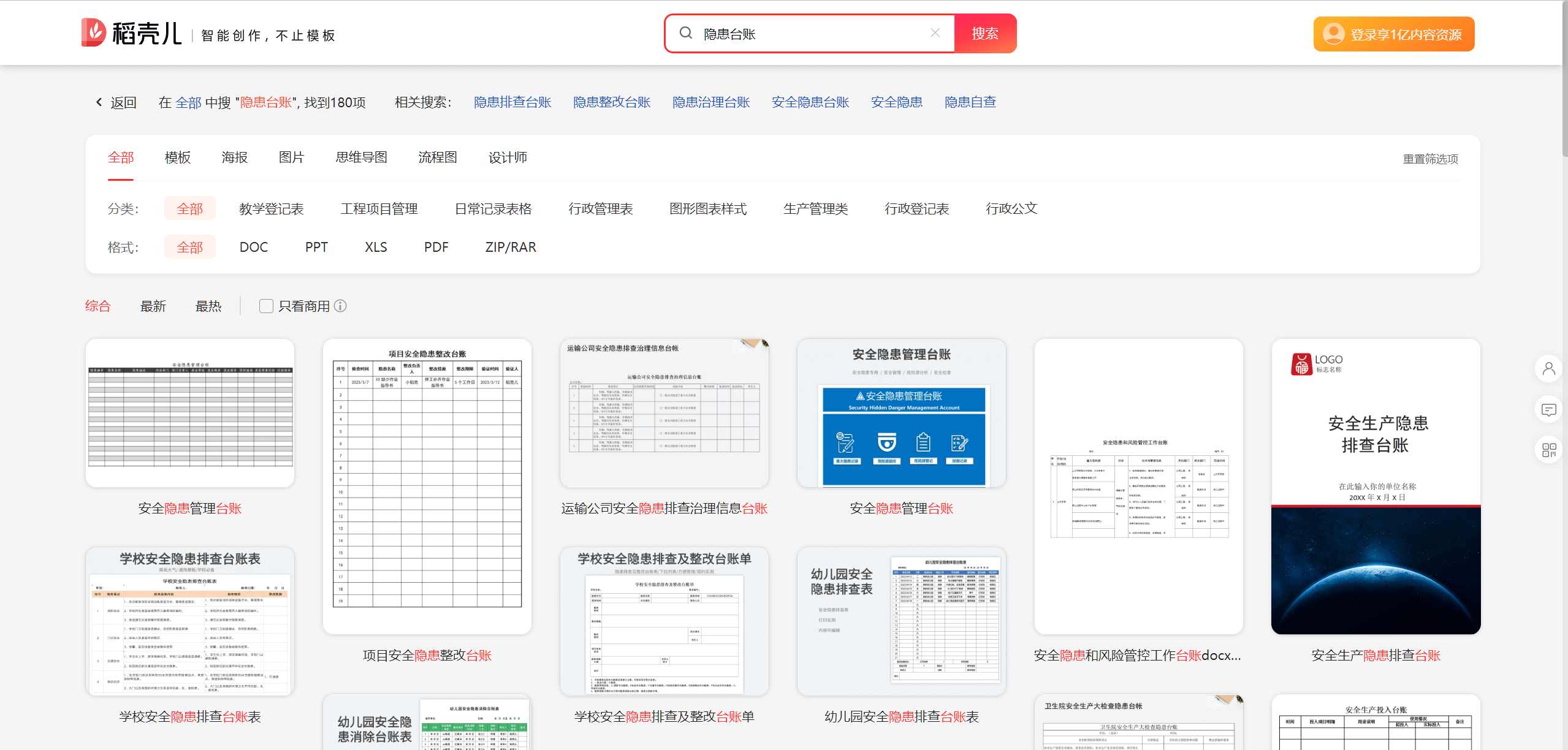
Excel Template: Platforms like WPS offer many templates that can be downloaded and used directly.
3. Digitalization
QR Code Inspections: Post QR codes at points like elevators and electrical rooms; scanning the code allows for immediate hazard reporting. CaoLiao QR Code is recommended here.
IV. Precautions
- Closed-Loop Management: Strictly follow the process of "Discovery - Recording - Rectification - Acceptance - Archiving" to avoid omissions.
- Staff Training: Regularly organize safety knowledge training to ensure inspection personnel can accurately identify hazards.
- Reward and Punishment Mechanism: Reward employees who proactively report hazards and issue criticism notices to departments with repeated overdue rectifications.
- Scientific Archiving: It is recommended to print out the safety hazard ledger annually for paper archiving, with a suggested archive cycle of 3 years.
A scientific hazard ledger not only reduces accident risks but also reflects standardized property management. It is recommended to establish a project ledger according to company policies. If you have any questions, feel free to leave a comment for discussion!
Original article reprinted from the WeChat Public Platform: Property Safety Management "Complete Guide to Creating a Property Project Safety Hazard Ledger: Scientific Management Guards Community Safety"